
Materialkunde und Nanotechnologien am MIT
von 
MIT remembers Thomas Rose, a brilliant researcher and generous colleaguevon 
Reprogrammed NK immune cells target cancer and autoimmune disordersvon 
Shape-sensing sheet digitally tracks its movement as it bends and twistsvon 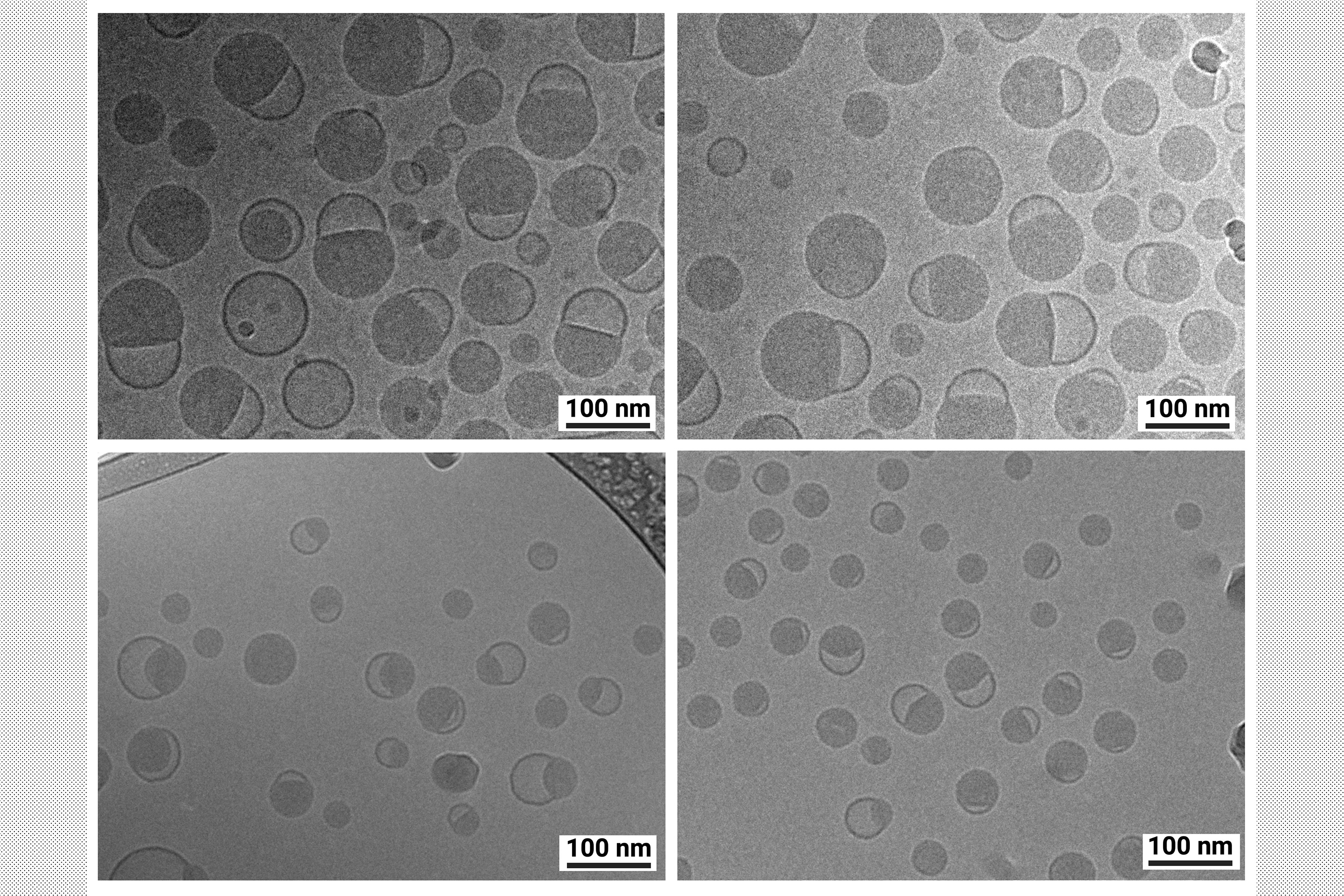
A new technique could accelerate the development of RNA therapiesvon 
New cell-collection device could improve early cancer detectionvon 
MIT School of Engineering faculty and staff receive awards in spring 2026von 
Nanoscale mechanics could enable brain-inspired computingvon
Nanoscale mechanics could enable brain-inspired computingvon 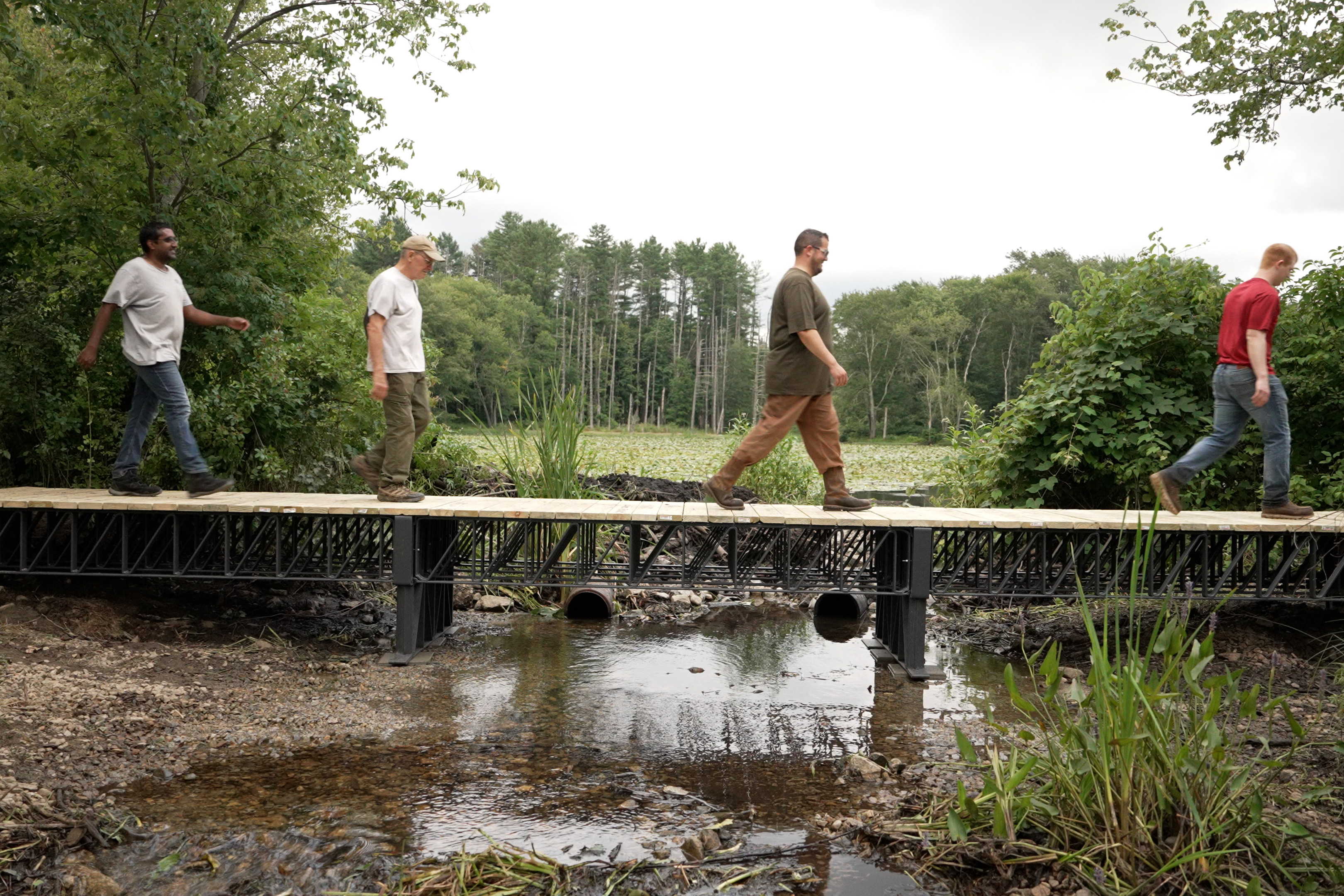
MIT spinout turns plastic waste into resilient building materialsvon 
Injectable nanodevices could provide effective treatment for drug-resistant glioblastomavon 
Assistant Professor Thomas Rose, an expert in archaeometallurgy, dies at 37von 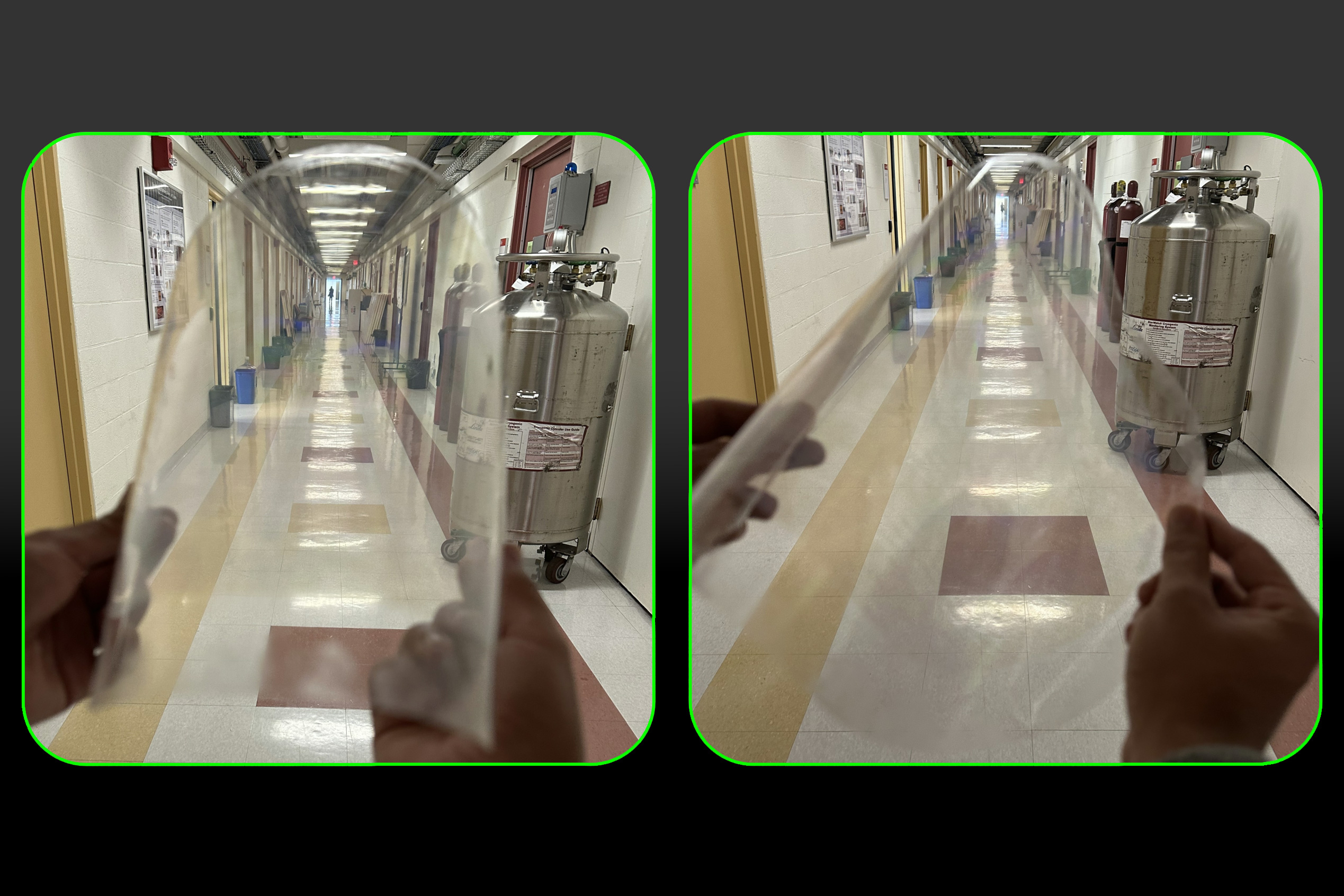
Fabrication platform could enable flexible, transparent next-generation photonic chipsvon 
Building foundations that lastvon 
MIT Quantum Initiative launches postdoctoral fellowship programvon 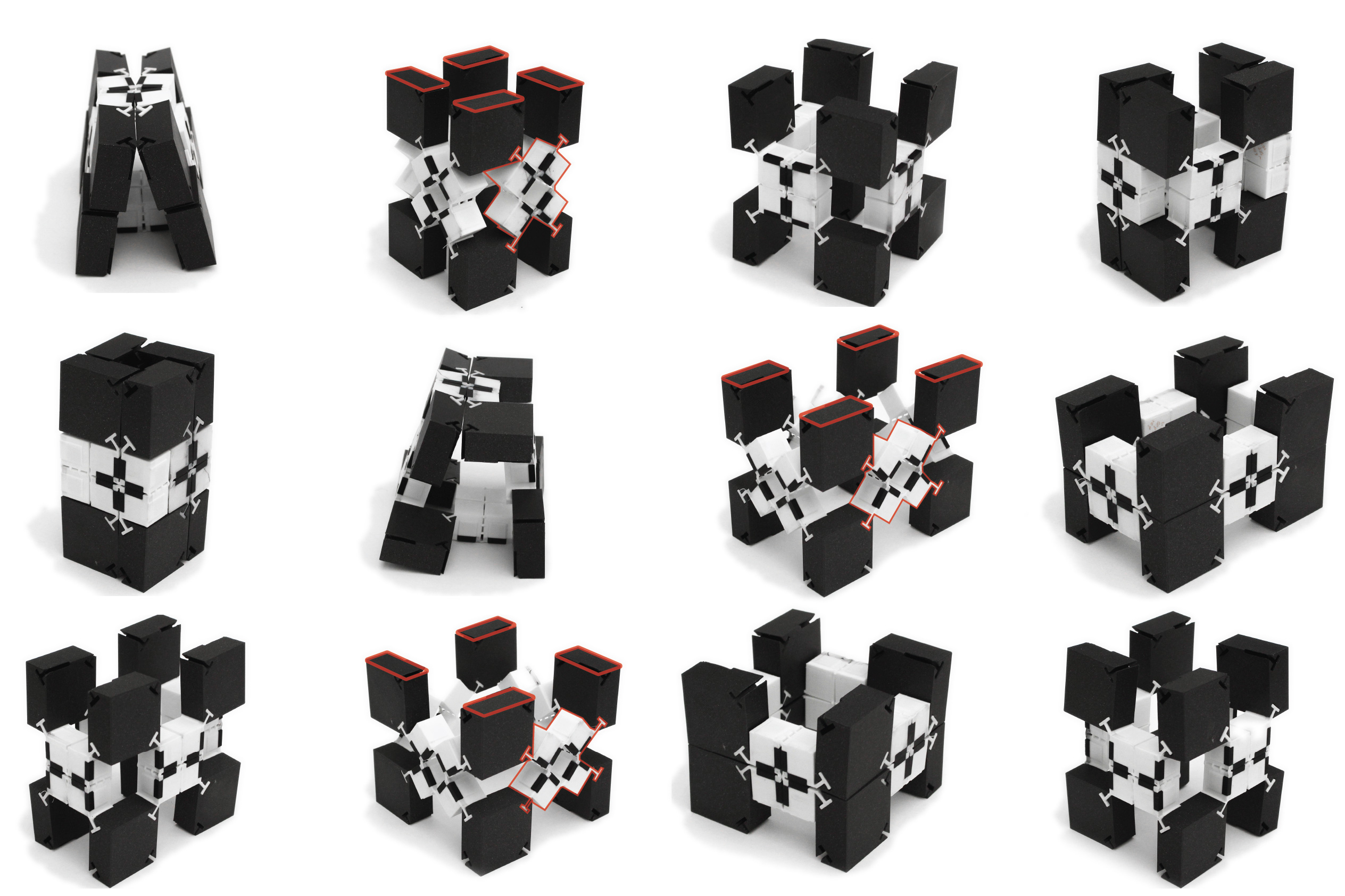
MIT engineers create a system for building shape-changing smart devicesvon 
AI helps design new materials that work in the real worldvon 
Paving the way for greener ammonia productionvon 
Startup brings ancient Roman concrete technology to modern constructionvon 
Q&A: Rethinking how innovation happensvon 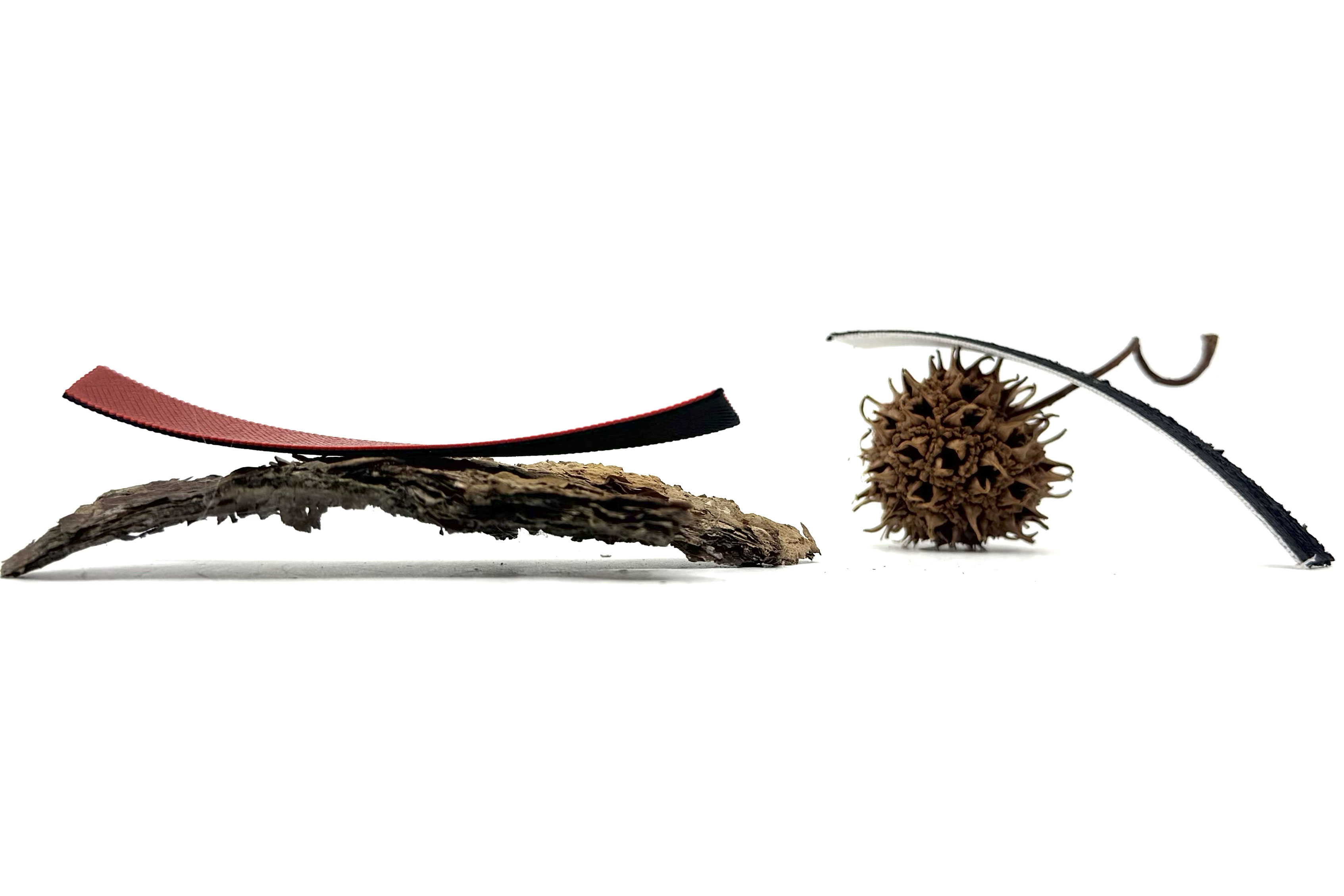
Mathematical framework connects biological principles to manufacturable, adaptive materialsvon 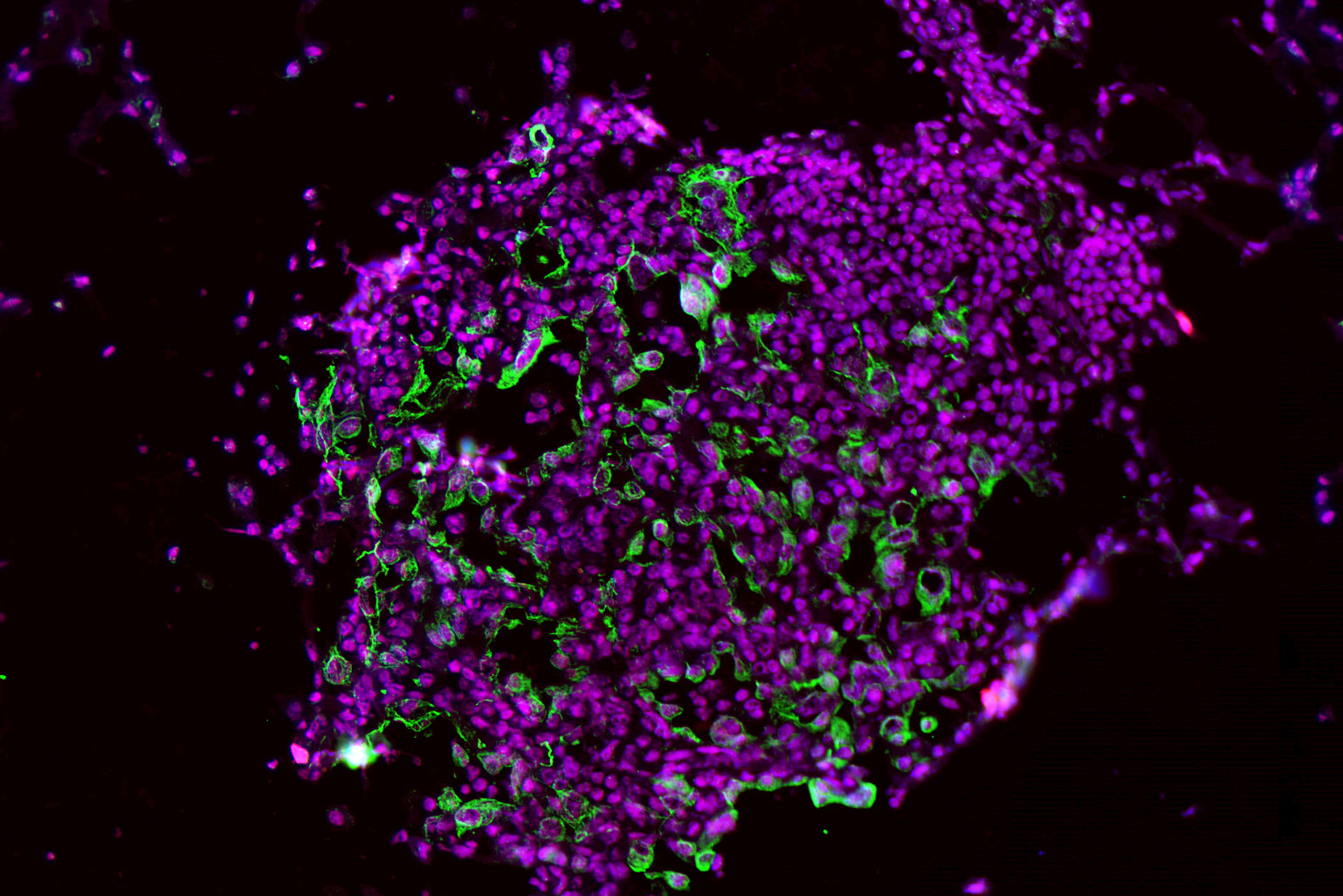
Drug that targets an inflammatory enzyme could help prevent lung cancervon 
MIT selected to lead new NSF materials research centervon
MIT selected to lead new NSF materials research centervon 
Physicists watch a material’s electrons assemble, and reassemble, into coexisting phasesvon 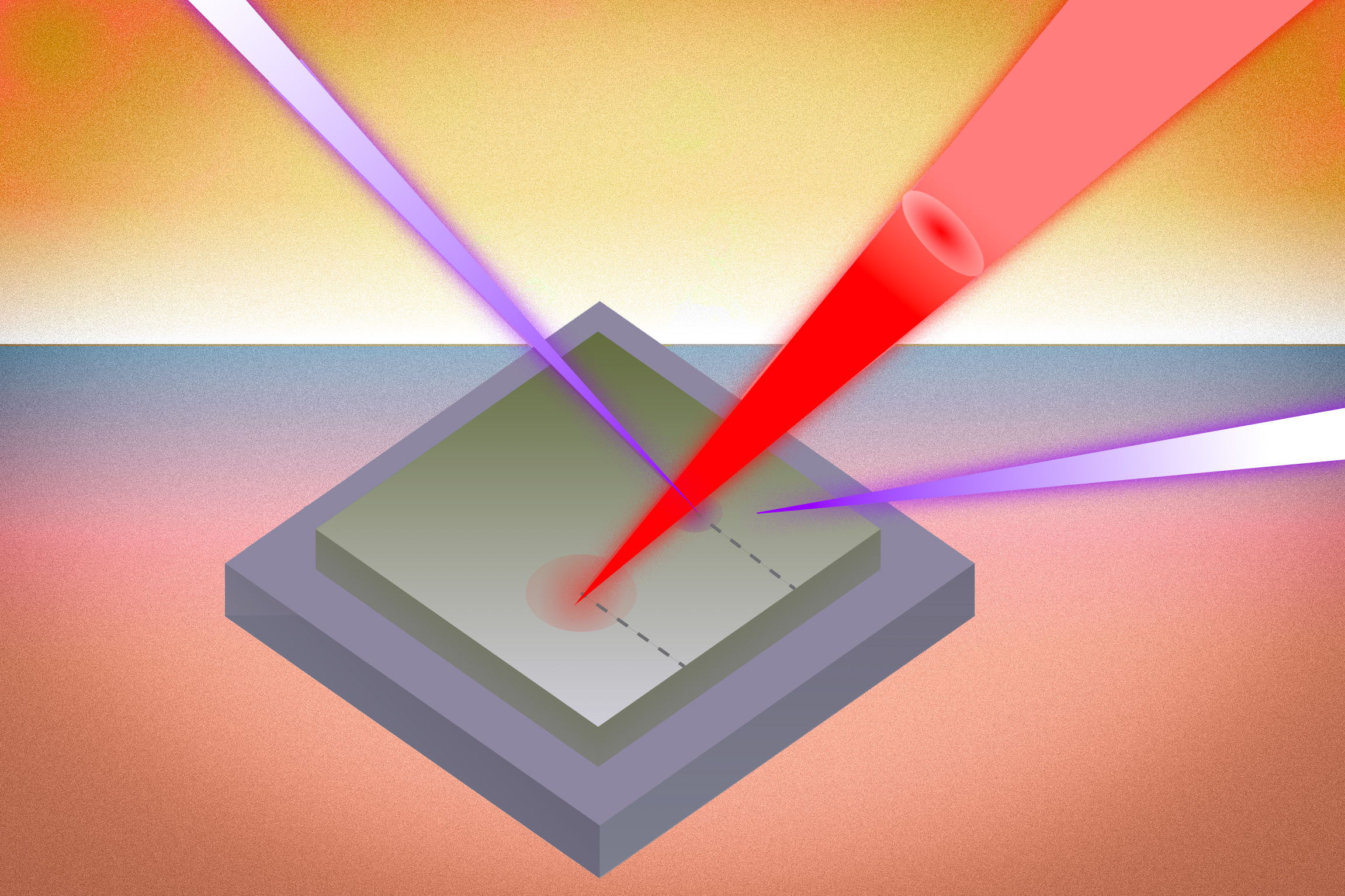
A new way to watch heat move through electronicsvon
A new way to watch heat move through electronicsvon 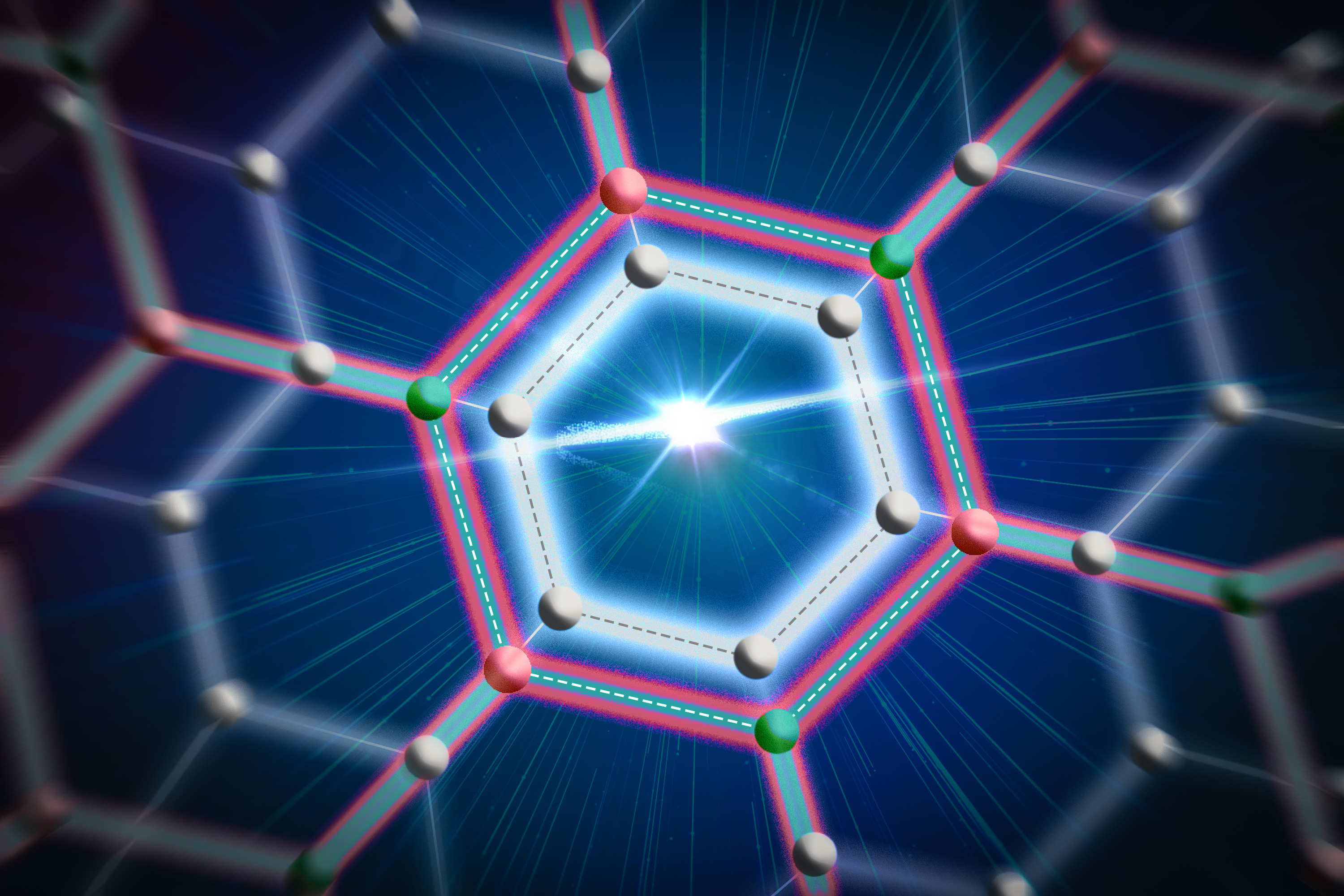
Researchers make air-stable, ultrathin superconductors, for more scalable quantum devicesvon
Researchers make air-stable, ultrathin superconductors, for more scalable quantum devicesvon 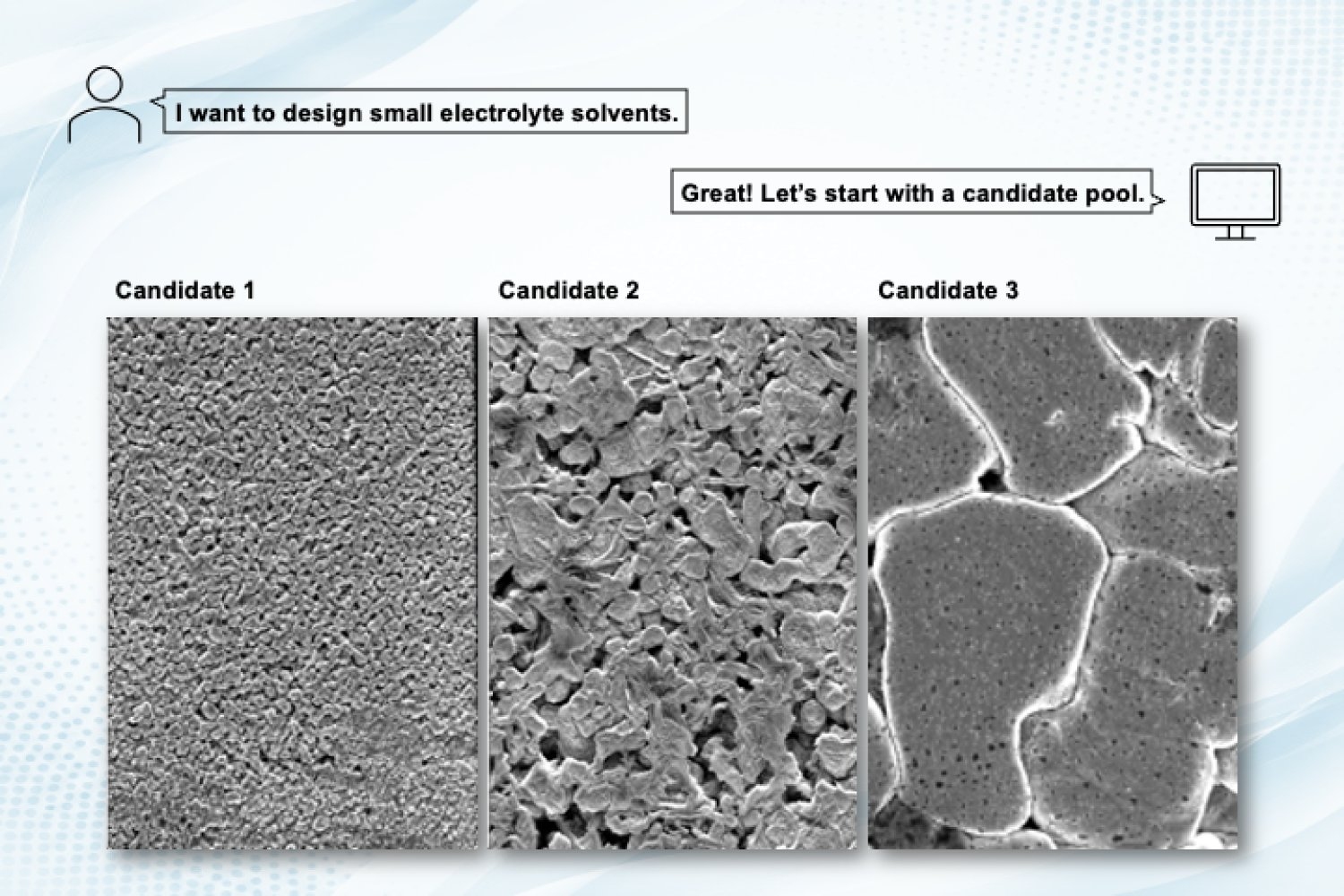
Solving the solvent problemvon
Solving the solvent problemvon 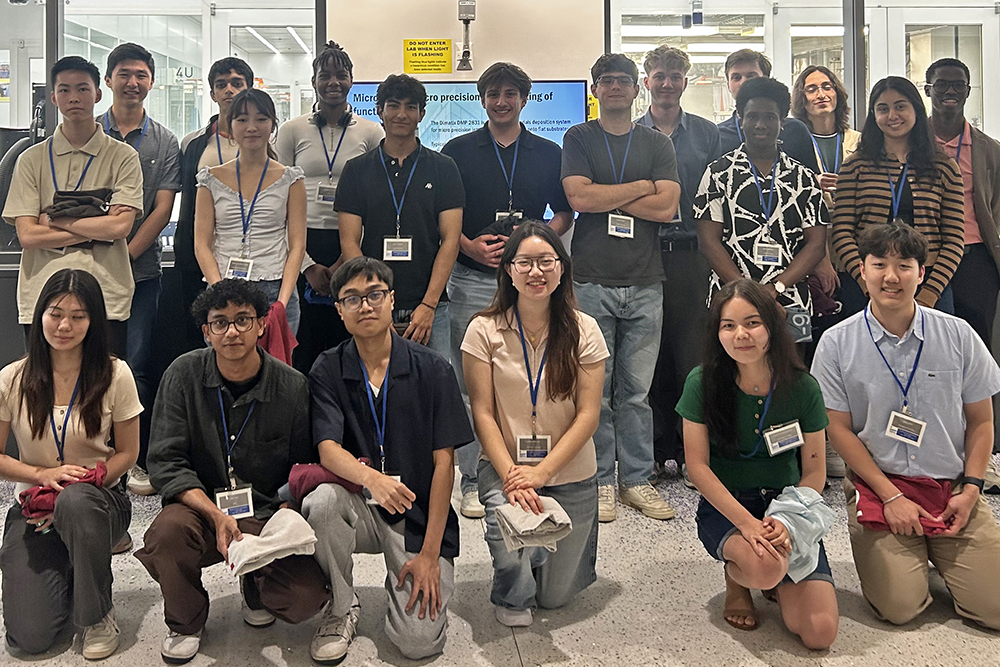
Connecting students with the future of microelectronicsvon
Connecting students with the future of microelectronicsvon 
Turning molecules into reliable electronic devicesvon
Turning molecules into reliable electronic devicesvon 
Building energy security through more sustainable batteriesvon 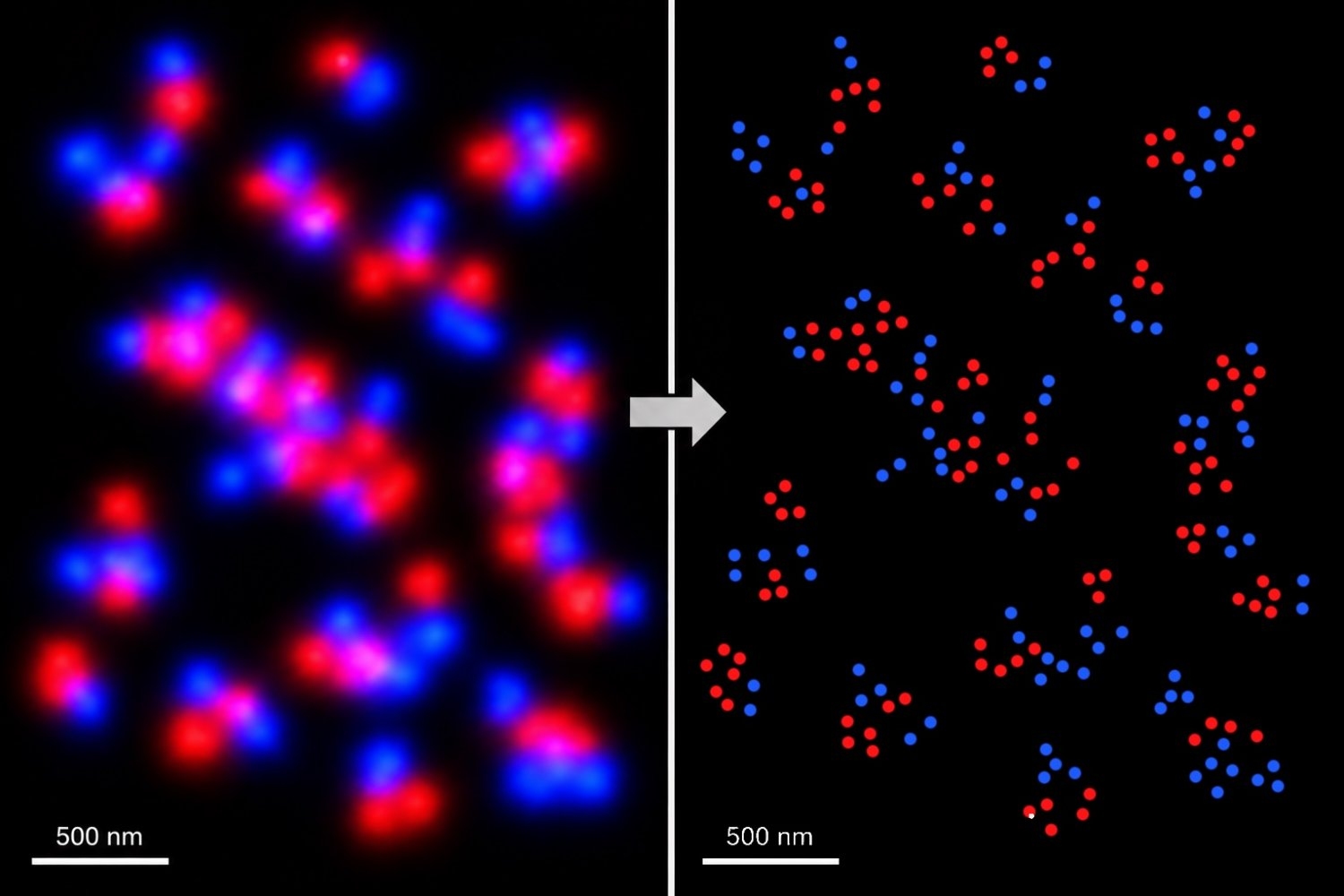
MIT and Broad Institute researchers break diffraction barrier in super-resolution microscopyvon 
MIT engineers design recyclable elastic yarnvon 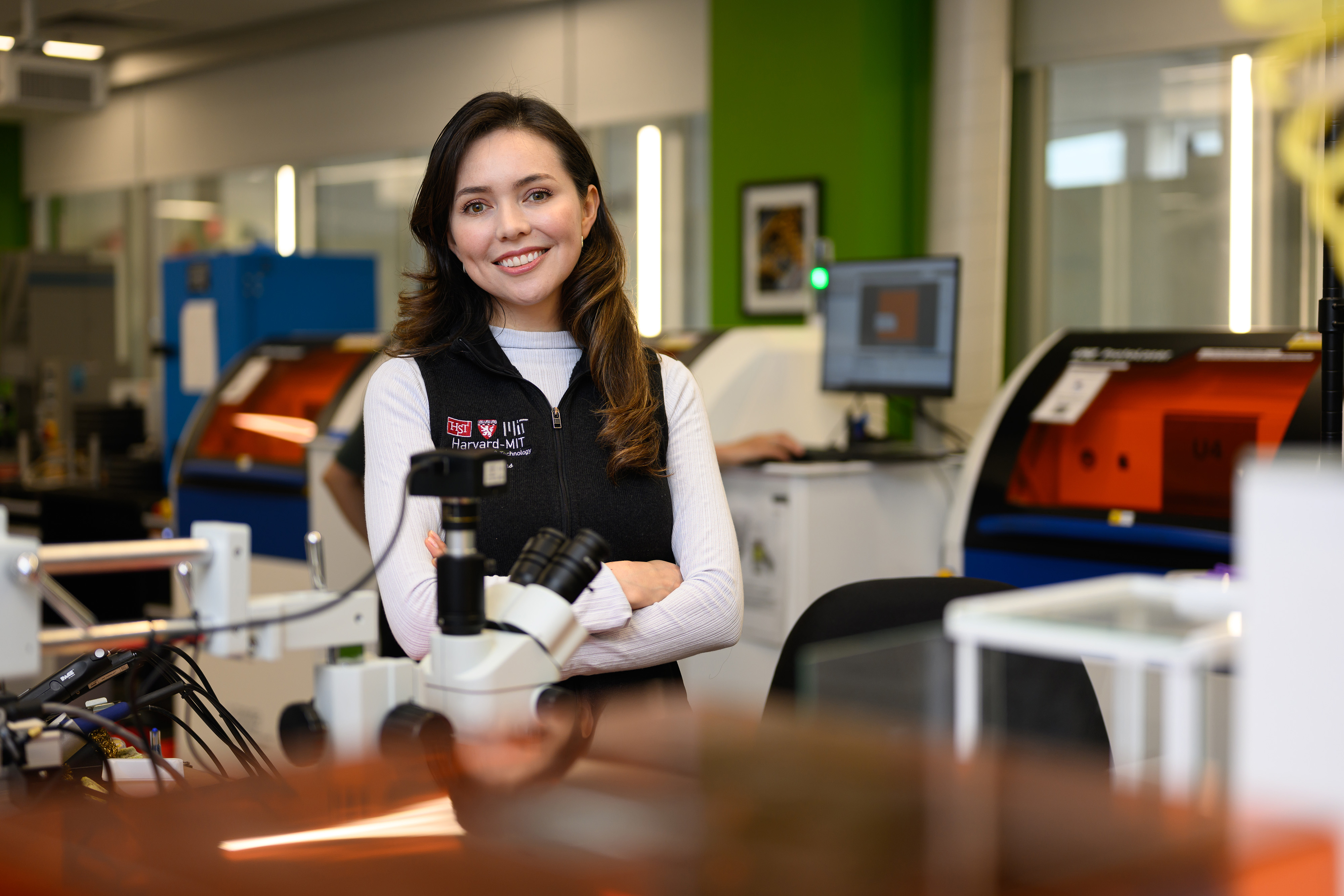
Diana Grass: Listening to the body’s languagevon
Diana Grass: Listening to the body’s languagevon 
Tiny infrared chip could improve detection of gases and heatvon
Tiny infrared chip could improve detection of gases and heatvon 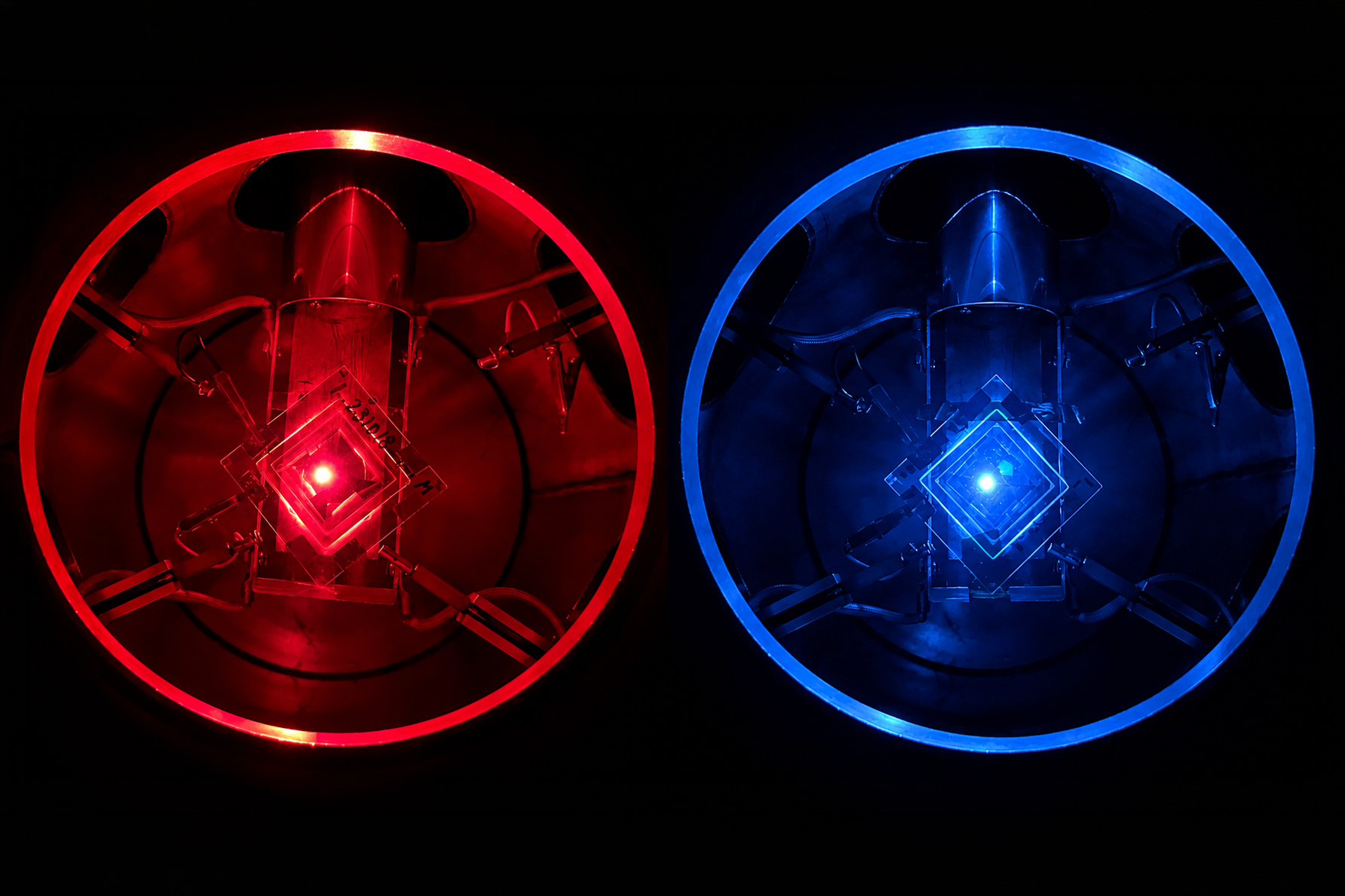
Discovery could lead to brighter, more energy-efficient digital displaysvon
Discovery could lead to brighter, more energy-efficient digital displaysvon 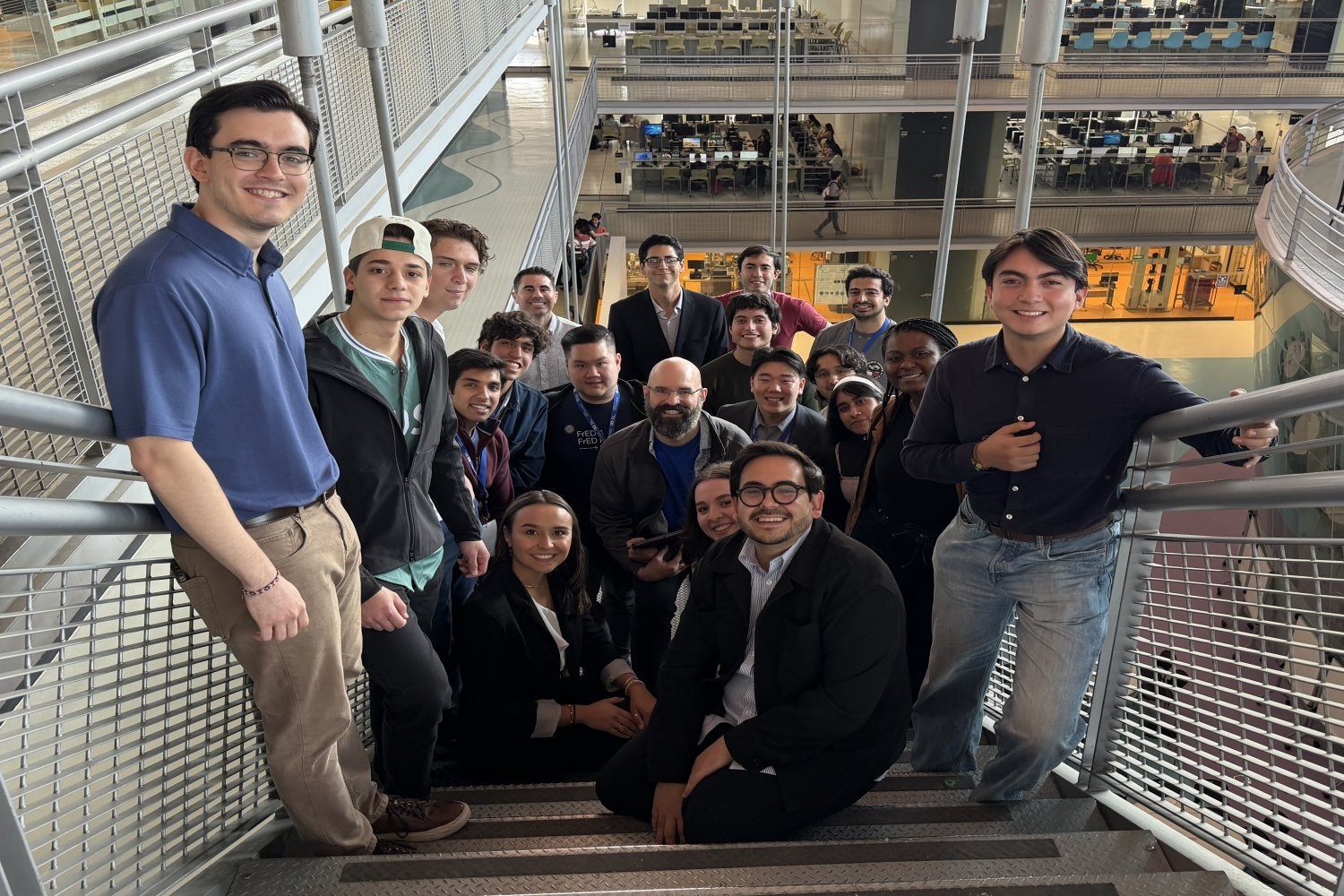
MIT-designed educational factory embraces modern manufacturingvon 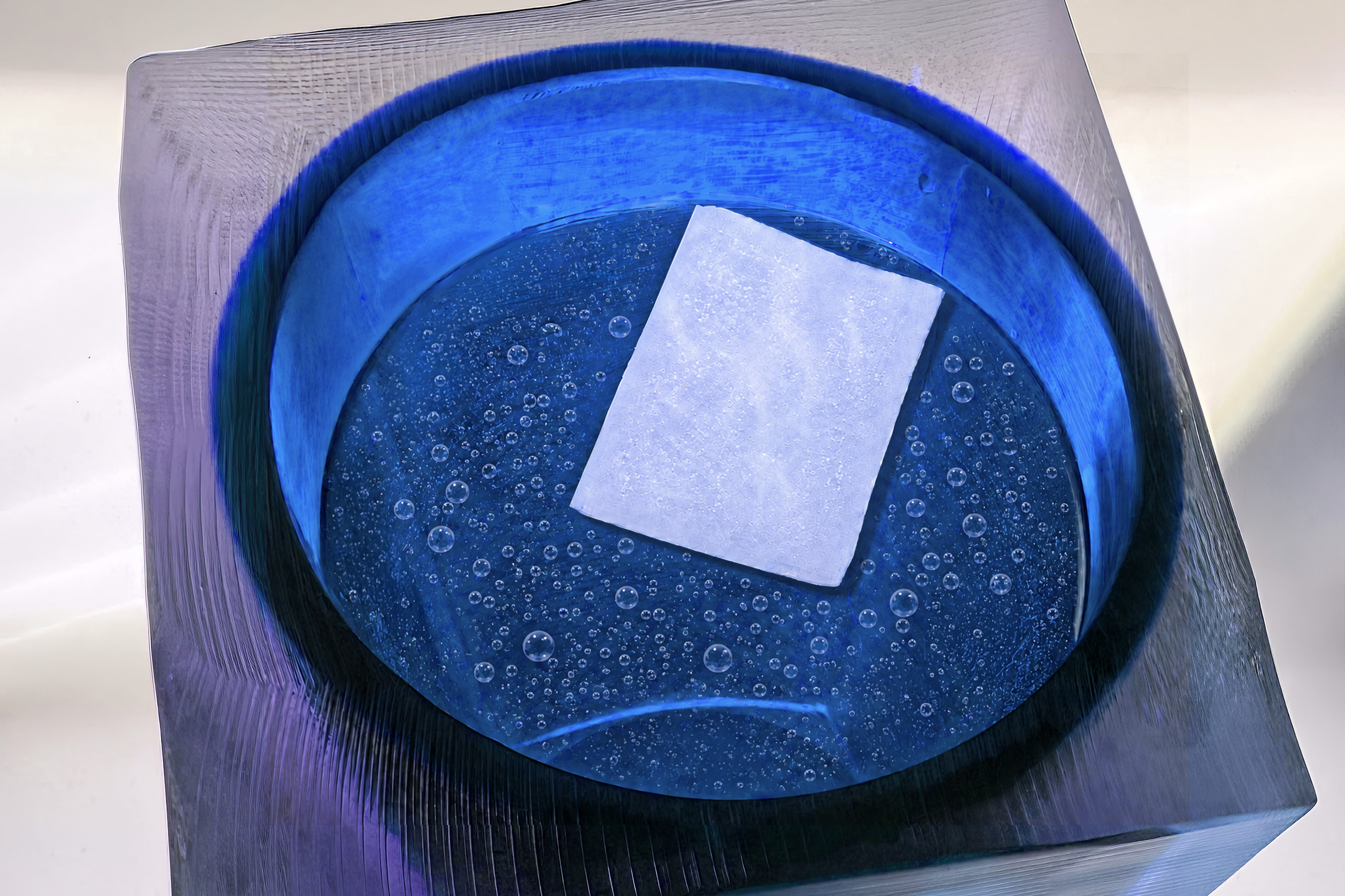
MIT engineers whip up a more breathable hydrogelvon 
Discovery helps explain why solid-state batteries often failvon 
MIT researchers advance toward greater bandwidth, more energy-efficient communicationsvon 
Graphene can hold multiple states of superconductivity, a new study findsvon 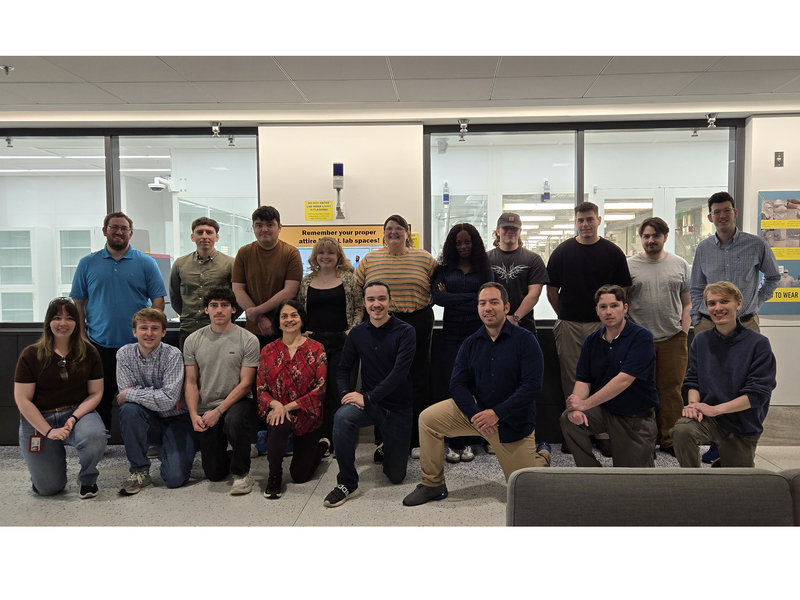
Students from across the Northeast step inside MIT.nano’s cleanroomvon Amanda Stoll DiCristofaro | MIT.nano am 26. Juni 2026 um 14:00
A hands-on boot camp teaches integrated photonics to community and four-year college students in the region.