
Biologie und Genetik am MIT
MIT News - Biology | Genetics | biophysics MIT news feed about: Biology | Genetics | biophysics
- W.M. Keck Foundation to support research on healthy aging at MIT
 vonMIT-Royalty Pharma Faculty Founder Initiative supports biotech innovators
 vonAI to help researchers see the bigger picture in cell biology
 von3 Questions: Exploring the mechanisms underlying changes during infection
 vonNew AI model could cut the costs of developing protein drugs
 vonKatie Spivakovsky wins 2026 Churchill Scholarship
 vonHow a unique class of neurons may set the table for brain development
 vonDesigning the future of metabolic health through tissue-selective drug delivery
 vonCancer’s secret safety net
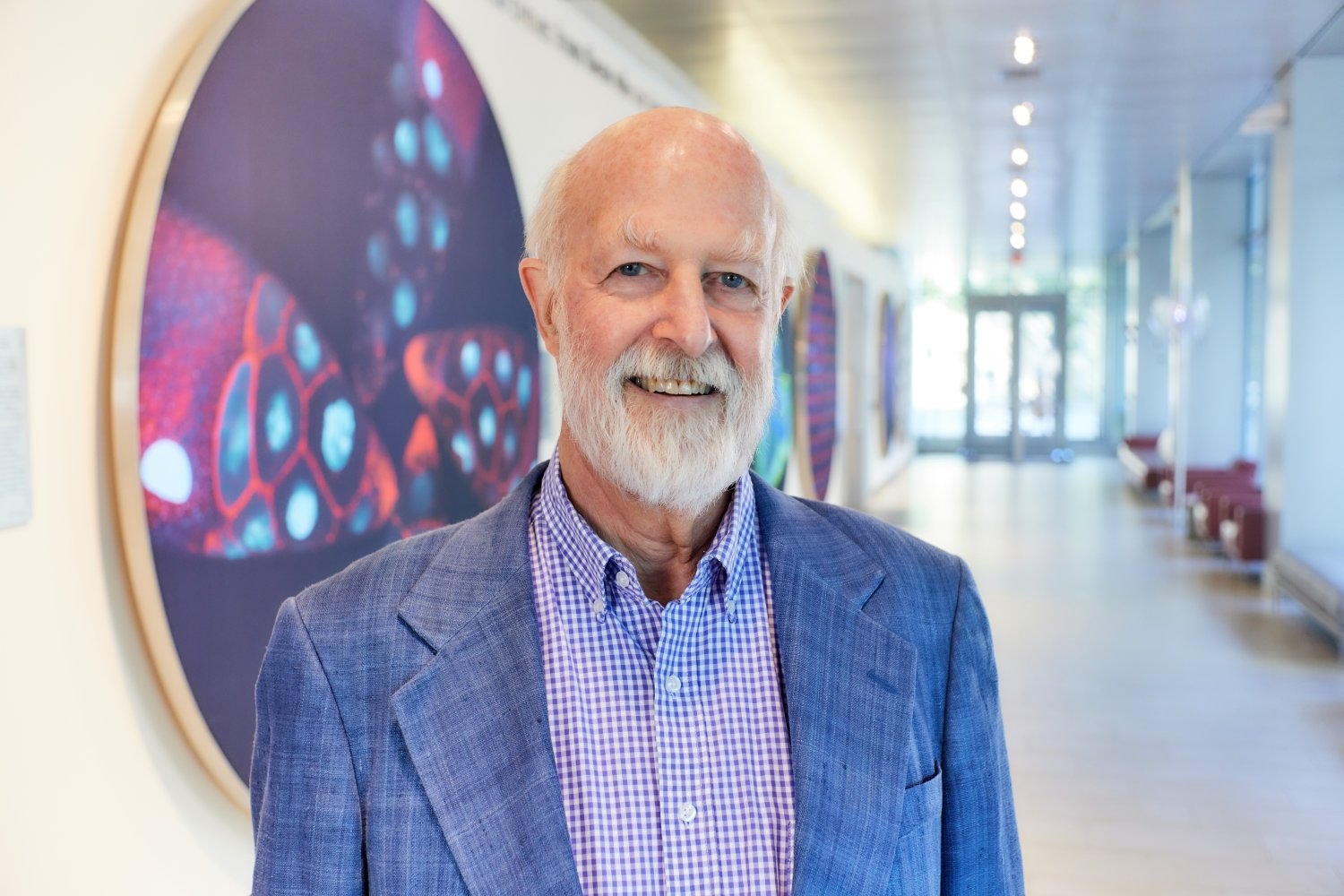
 vonRichard Hynes, a pioneer in the biology of cellular adhesion, dies at 81
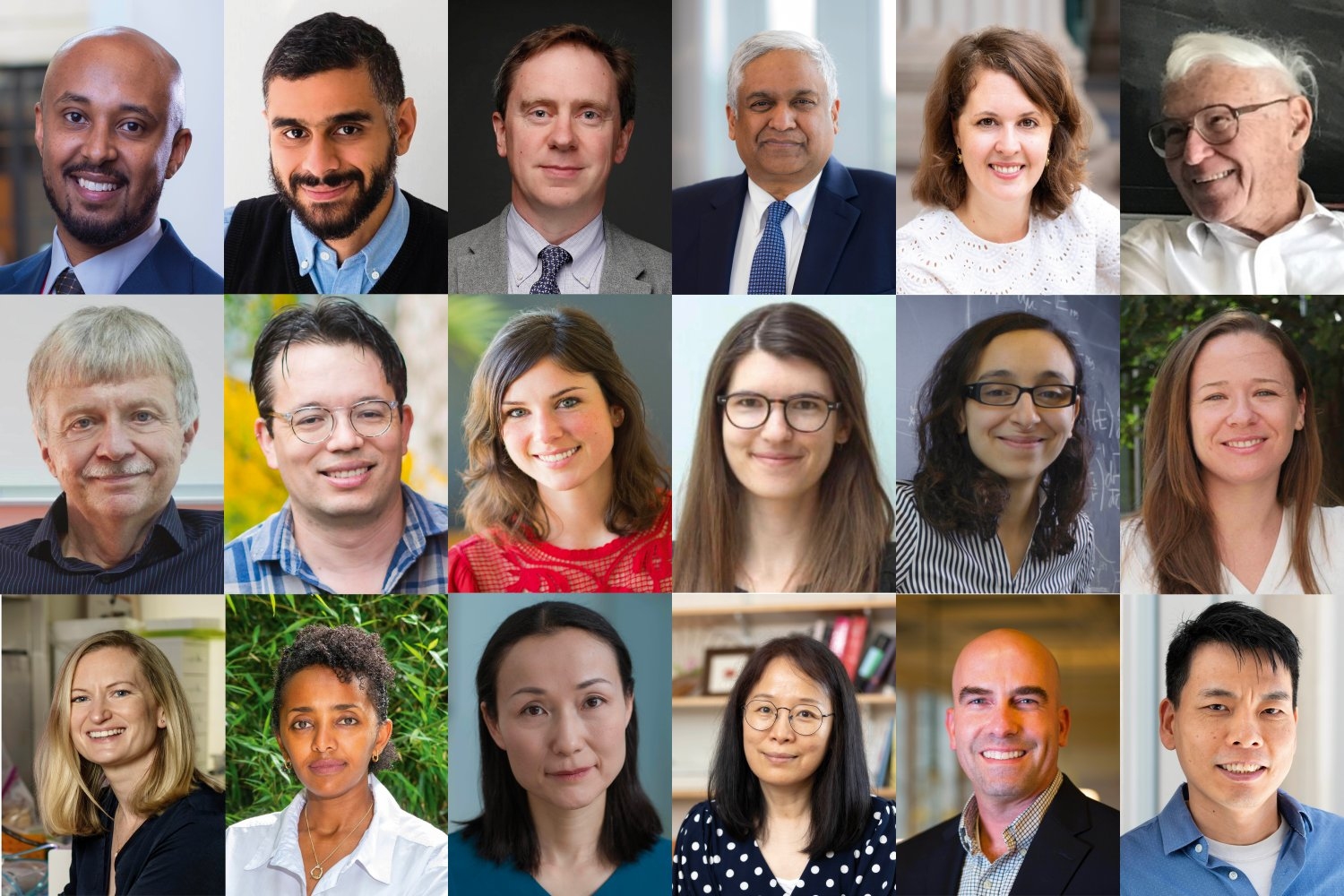
 vonEighteen MIT faculty honored as “Committed to Caring” for 2025-27
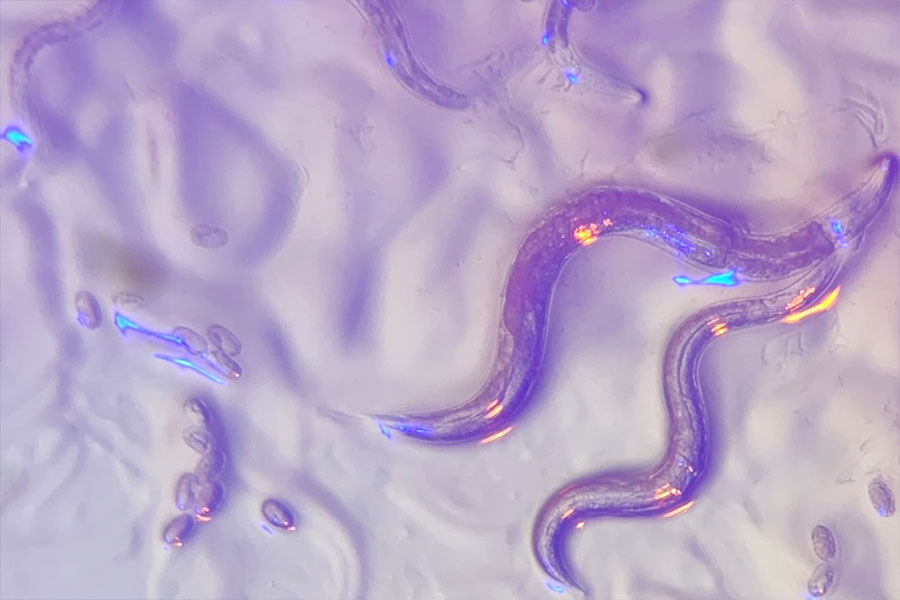
 vonCelebrating worm science
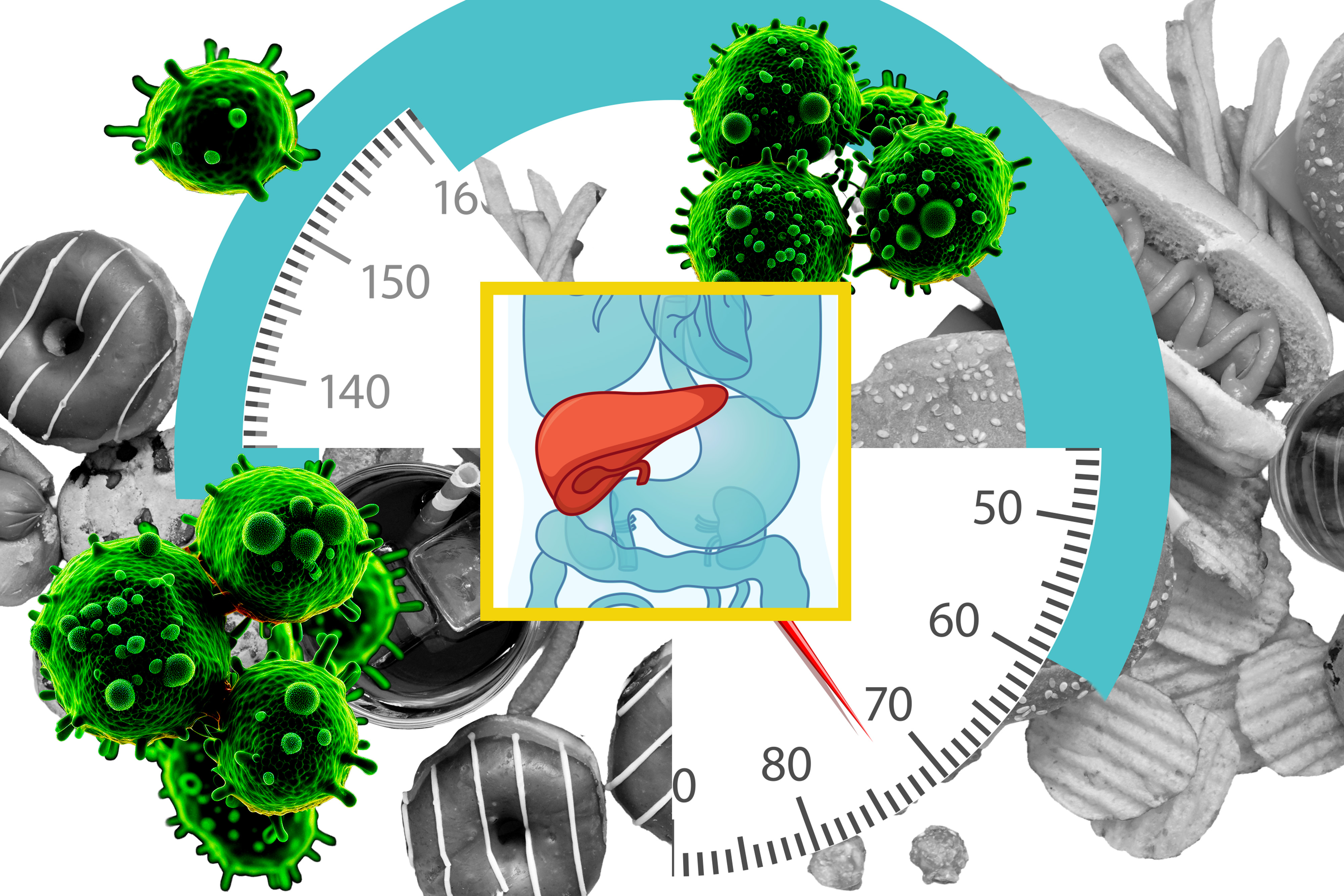
 vonStudy: High-fat diets make liver cells more likely to become cancerous
 von3 Questions: Using computation to study the world’s best single-celled chemists
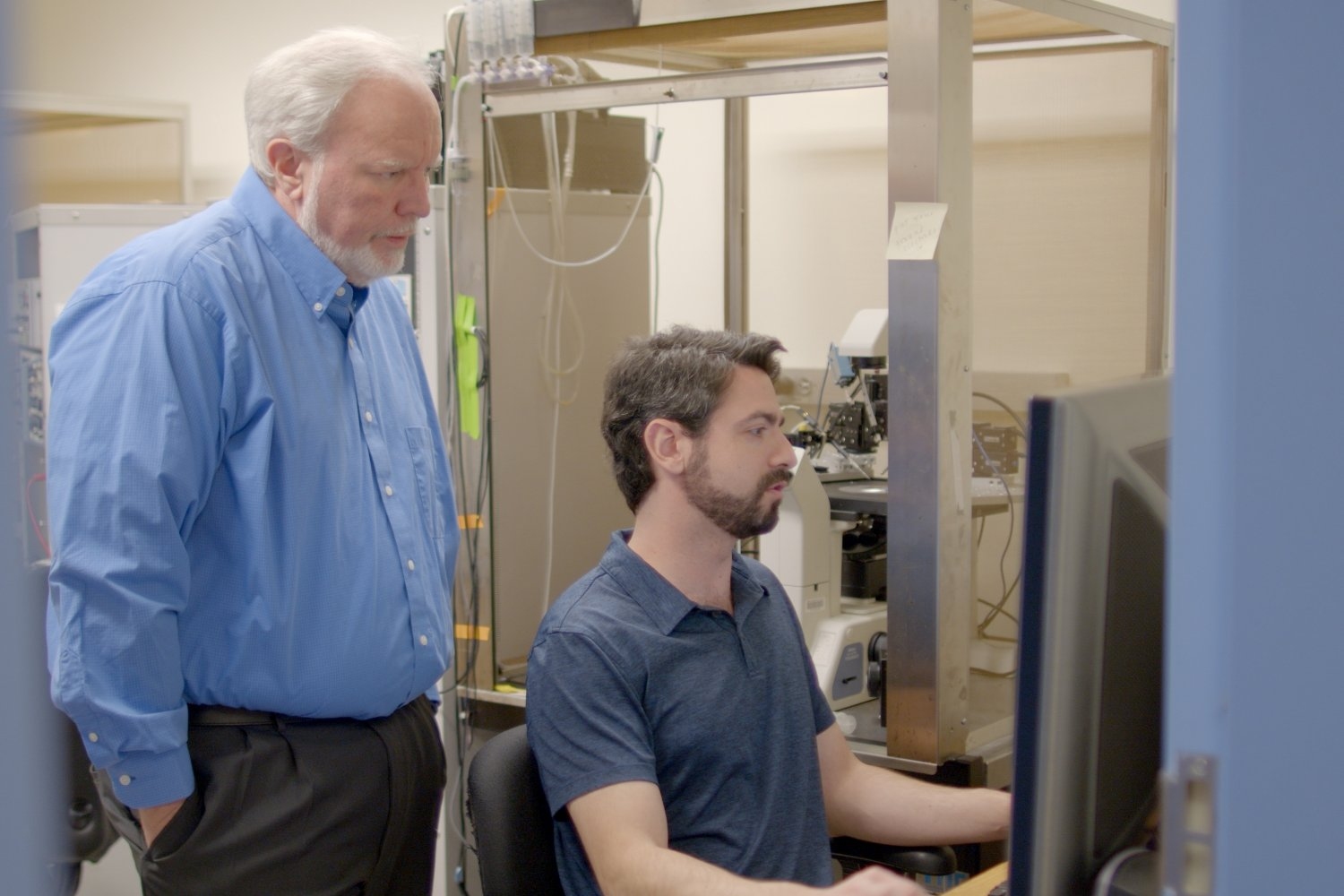
 vonRNA editing study finds many ways for neurons to diversify
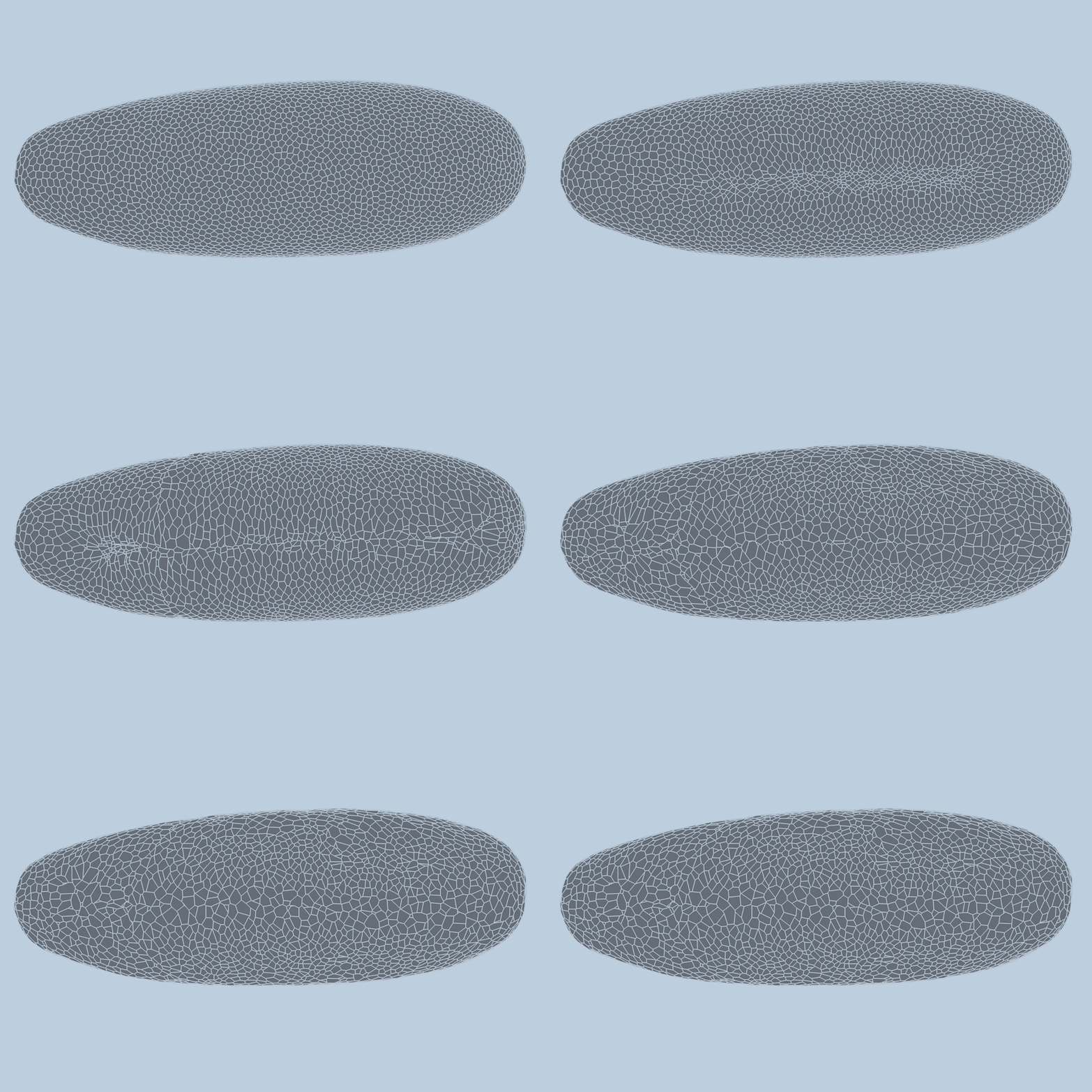
 vonDeep-learning model predicts how fruit flies form, cell by cell
 vonMIT HEALS leadership charts a bold path for convergence in health and life sciences
 vonA better DNA material for genetic medicine
 vonSchool of Science welcomed new faculty in 2024
 vonAlternate proteins from the same gene contribute differently to health and rare disease
 vonArtificial tendons give muscle-powered robots a boost
 vonSymposium examines the neural circuits that keep us alive and well
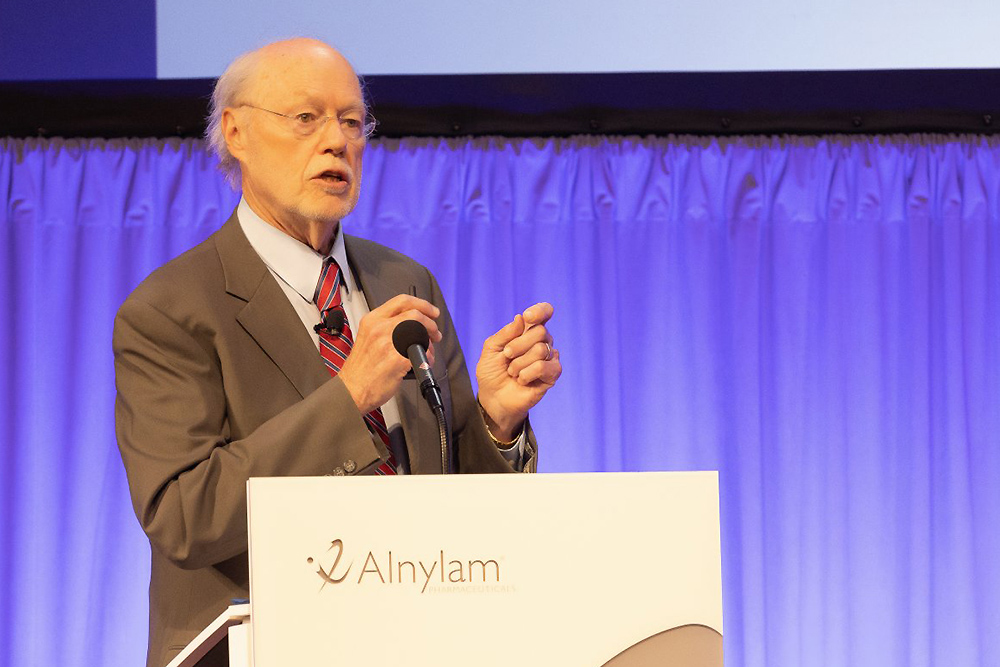
 vonPhil Sharp-Alnylam Fund for Emerging Scientists to support MIT biology graduate students and faculty
 vonA new way to understand and predict gene splicing
 vonThe joy of life (sciences)
 vonFive with MIT ties elected to National Academy of Medicine for 2025
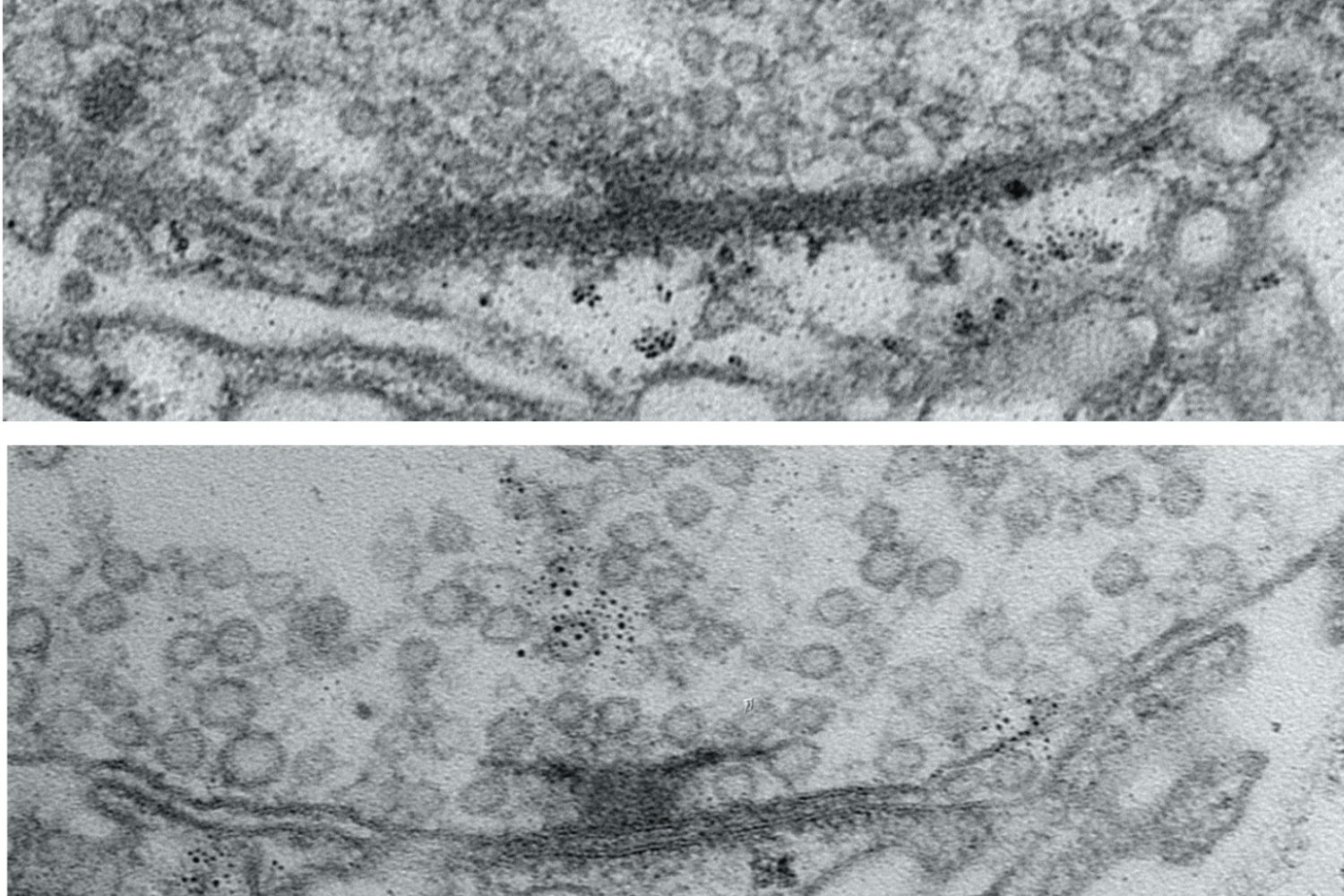
 vonNeural activity helps circuit connections mature into optimal signal transmitters
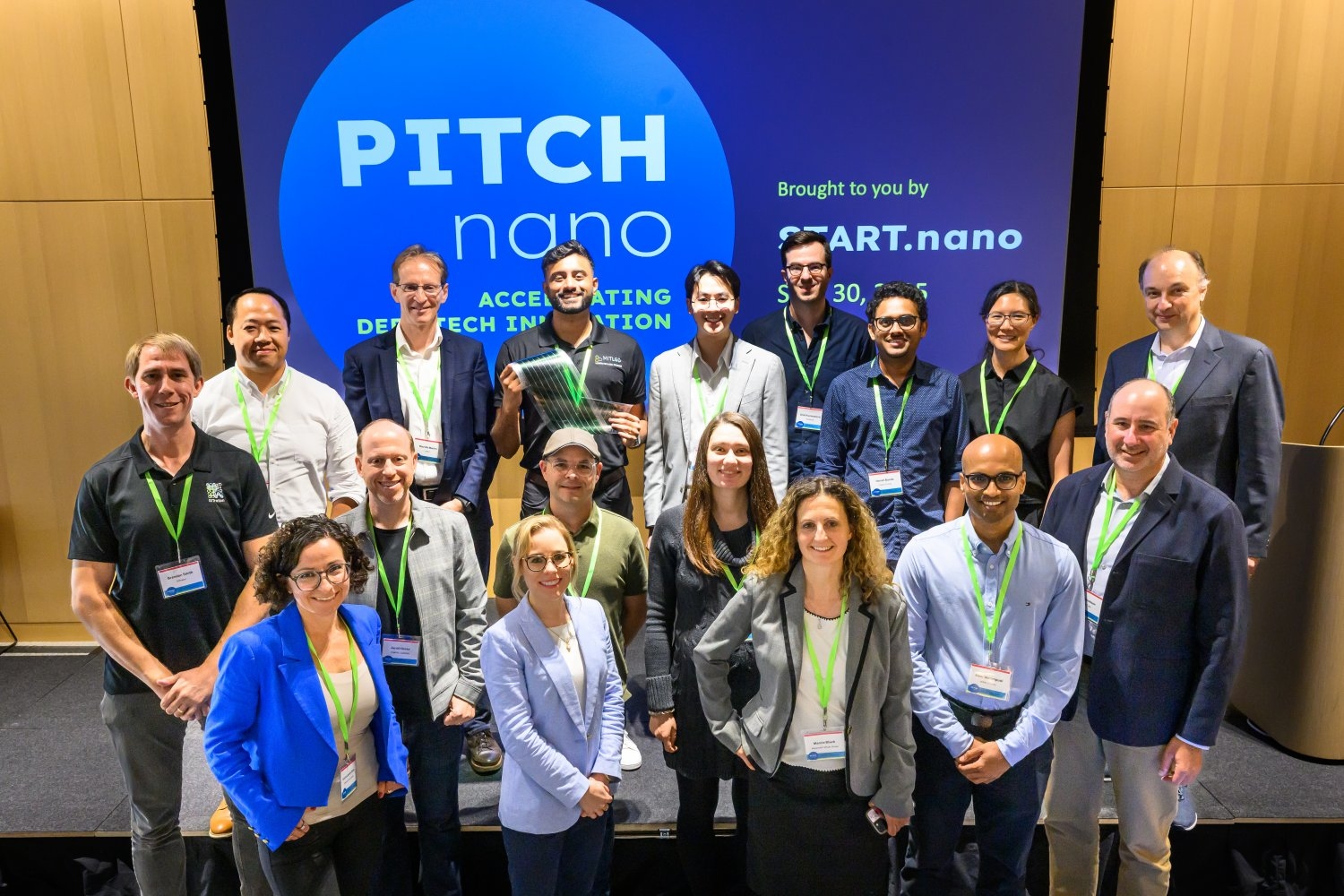
 vonSolar energy startup Active Surfaces wins inaugural PITCH.nano competition
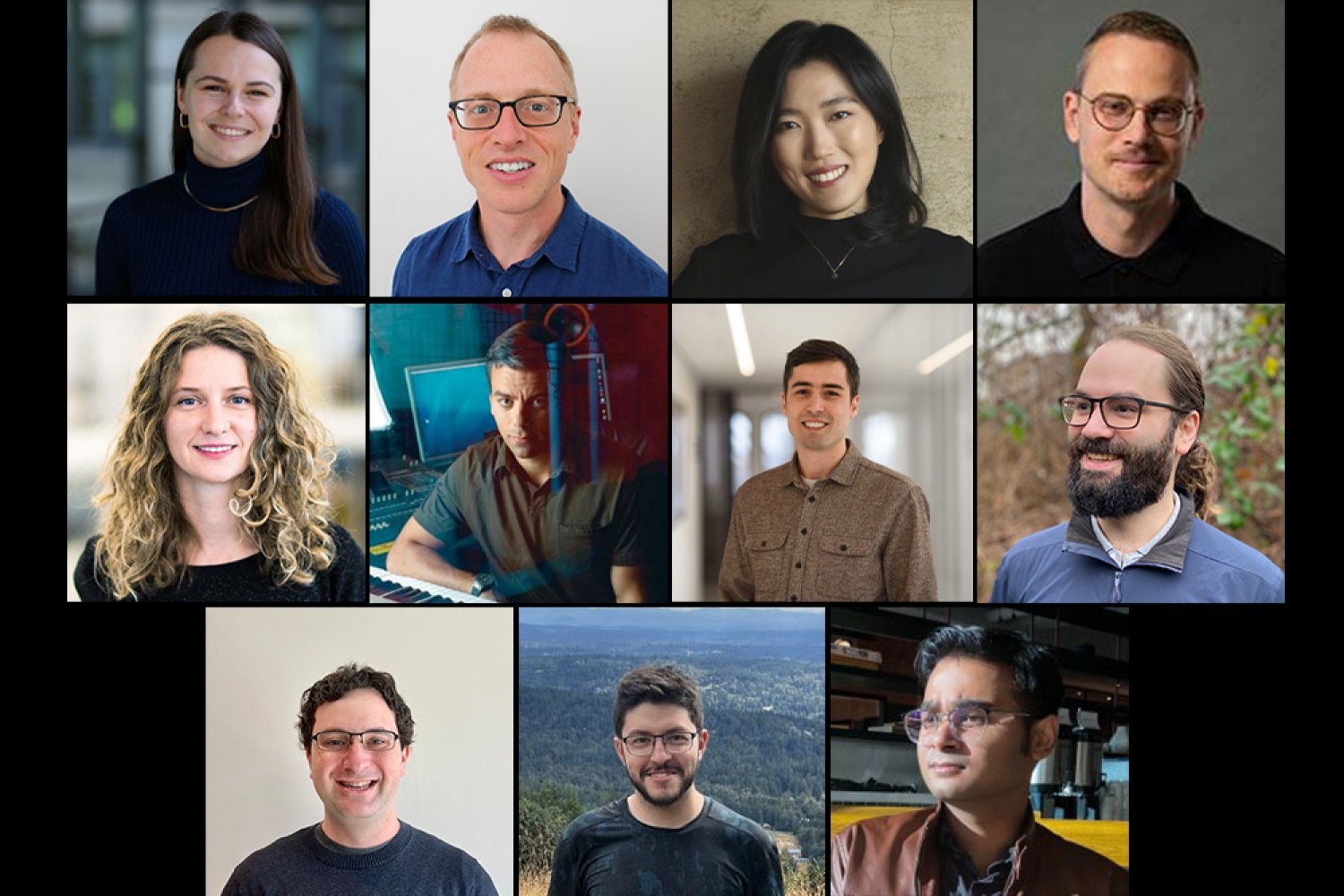
 vonMIT Schwarzman College of Computing welcomes 11 new faculty for 2025
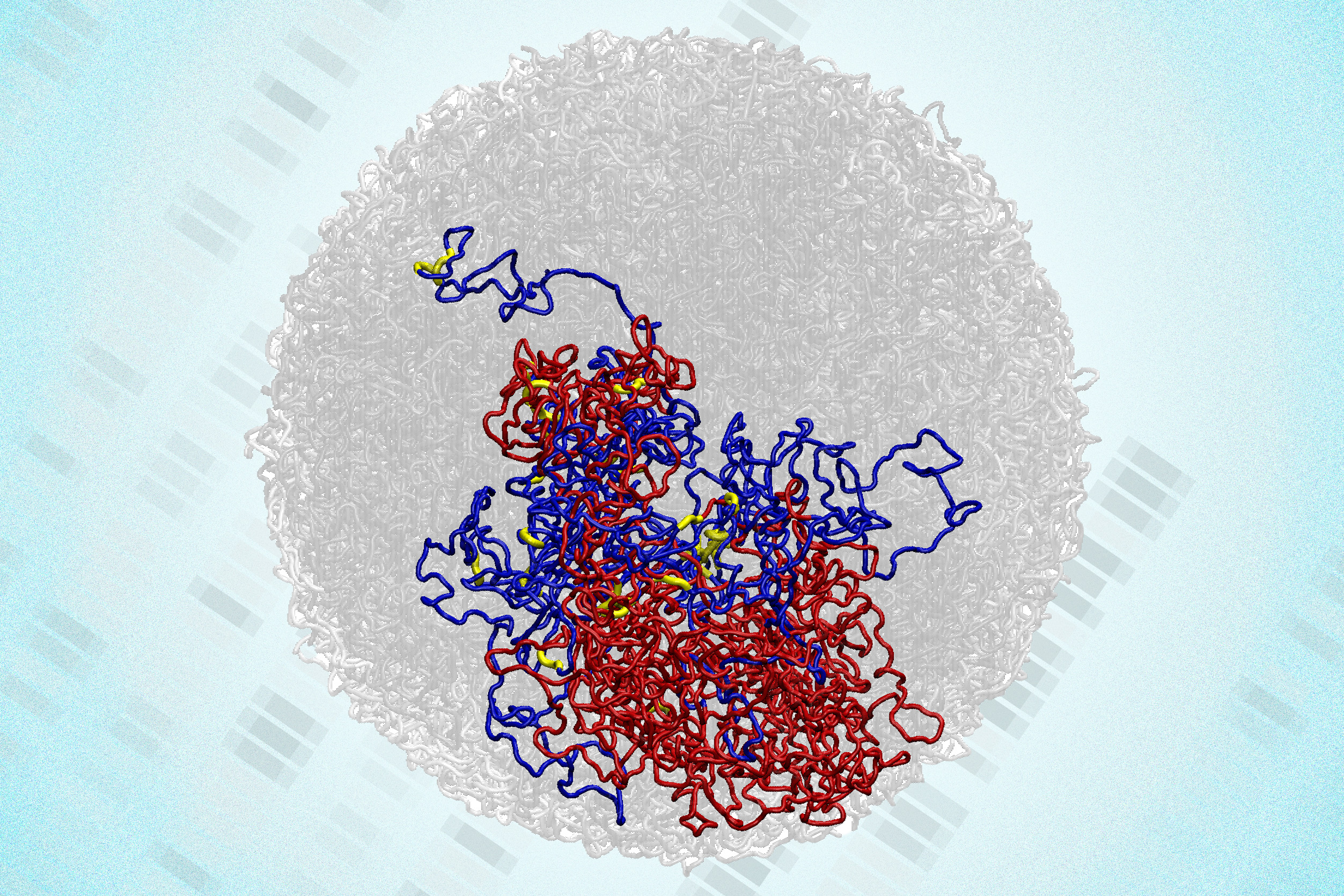
 vonIn a surprising discovery, scientists find tiny loops in the genomes of dividing cells
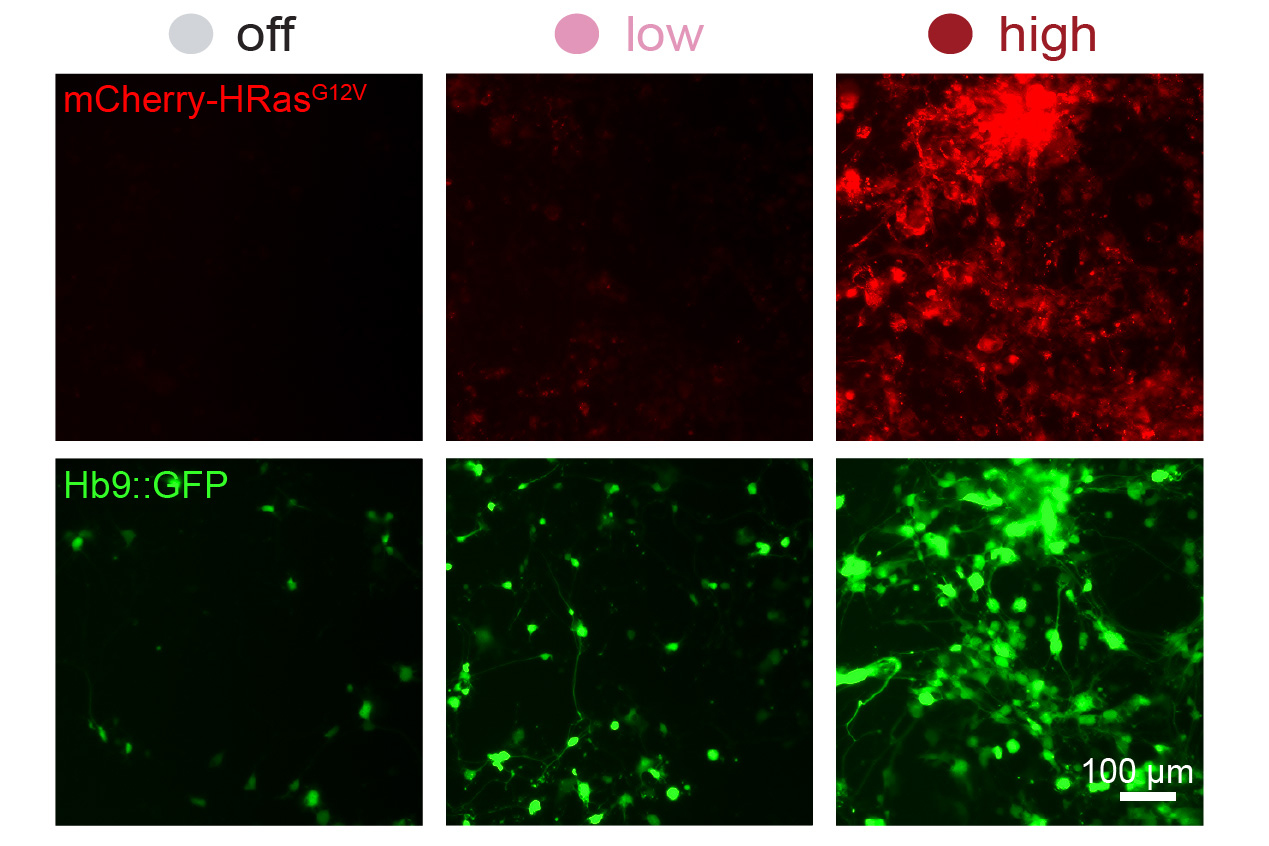
 vonA new system can dial expression of synthetic genes up or down
 vonGene-Wei Li named associate head of the Department of Biology
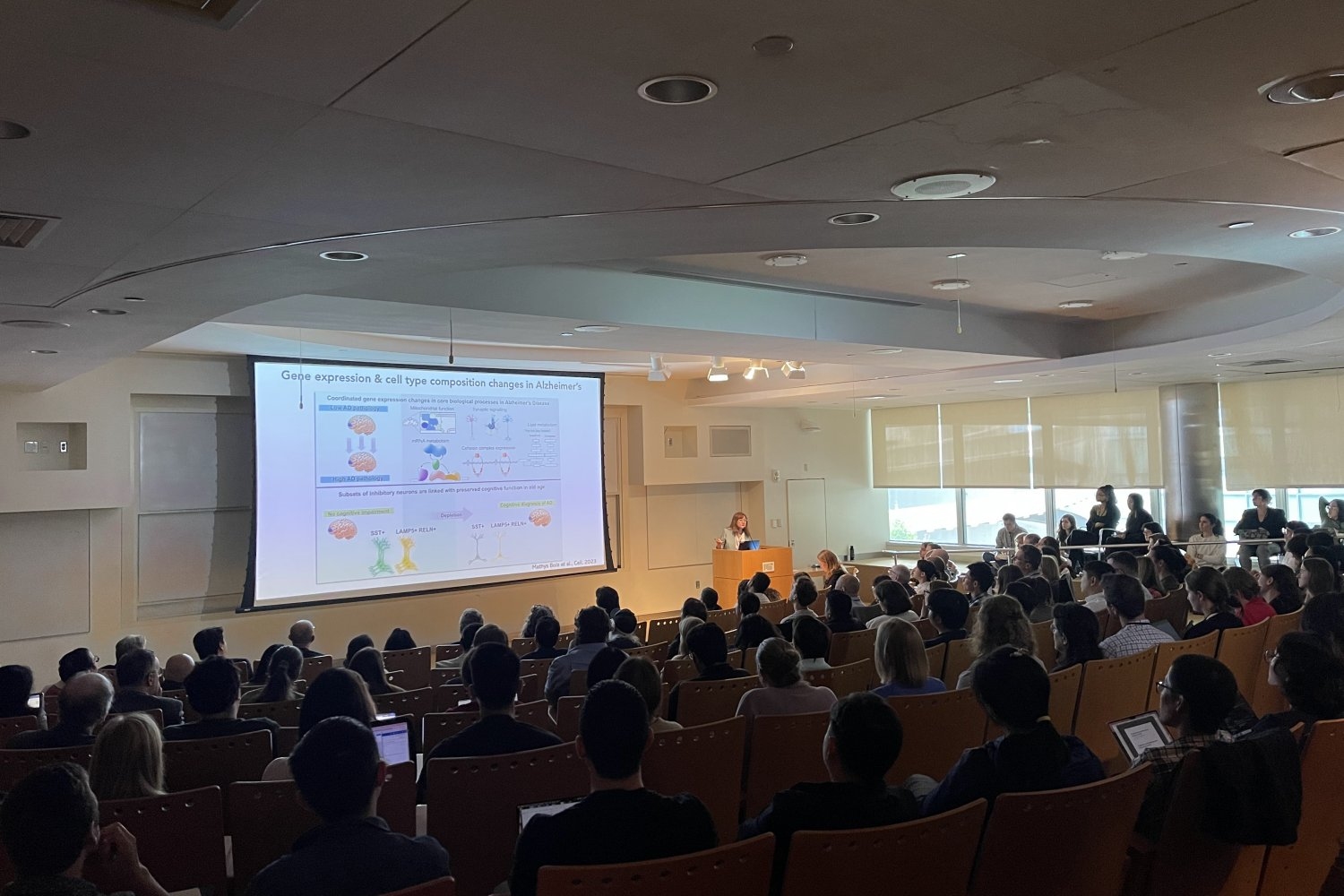
 vonImmune-informed brain aging research offers new treatment possibilities, speakers say
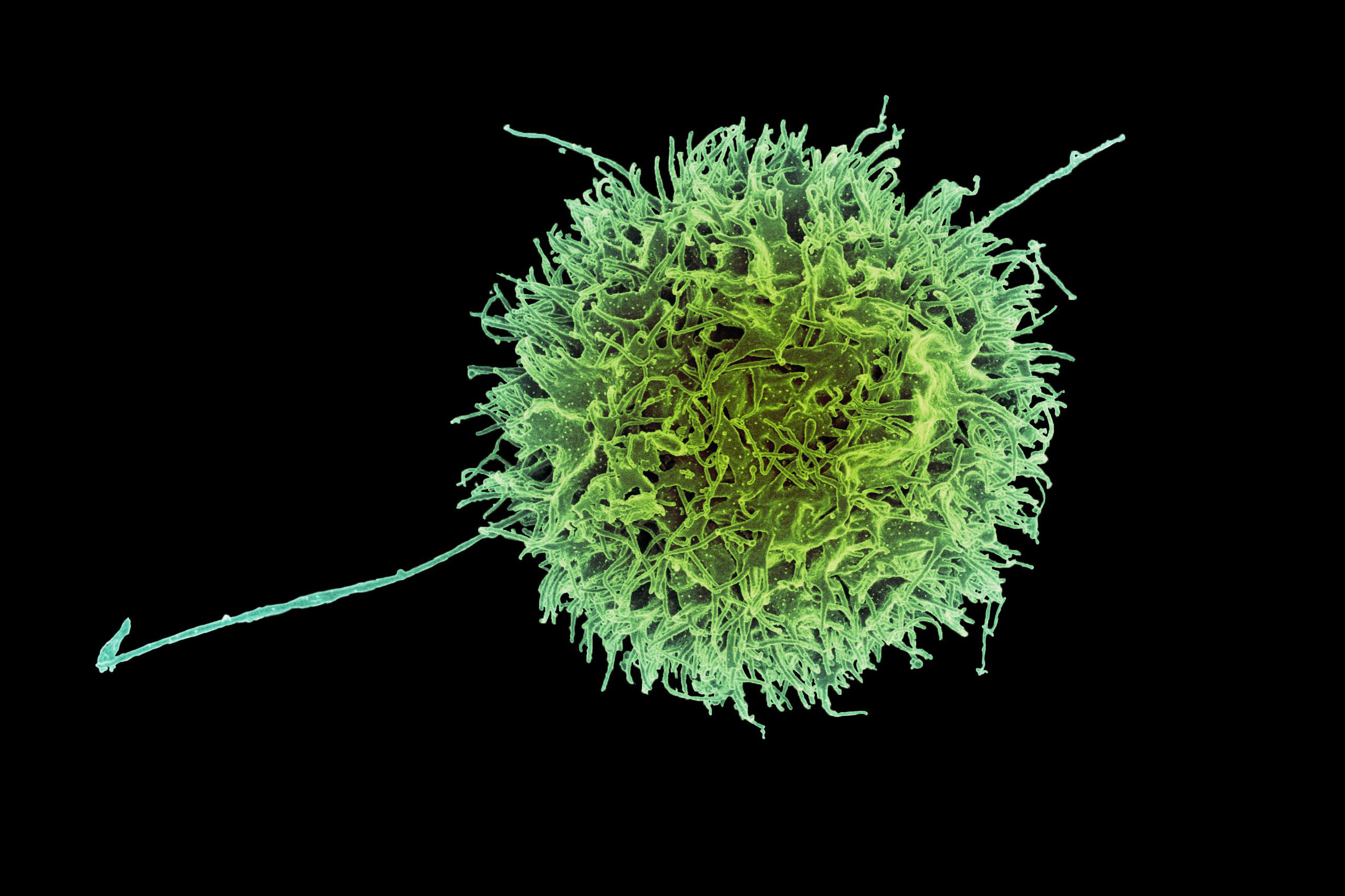
 vonEngineered “natural killer” cells could help fight cancer
 vonA cysteine-rich diet may promote regeneration of the intestinal lining, study suggests
 vonThe first animals on Earth may have been sea sponges, study suggests
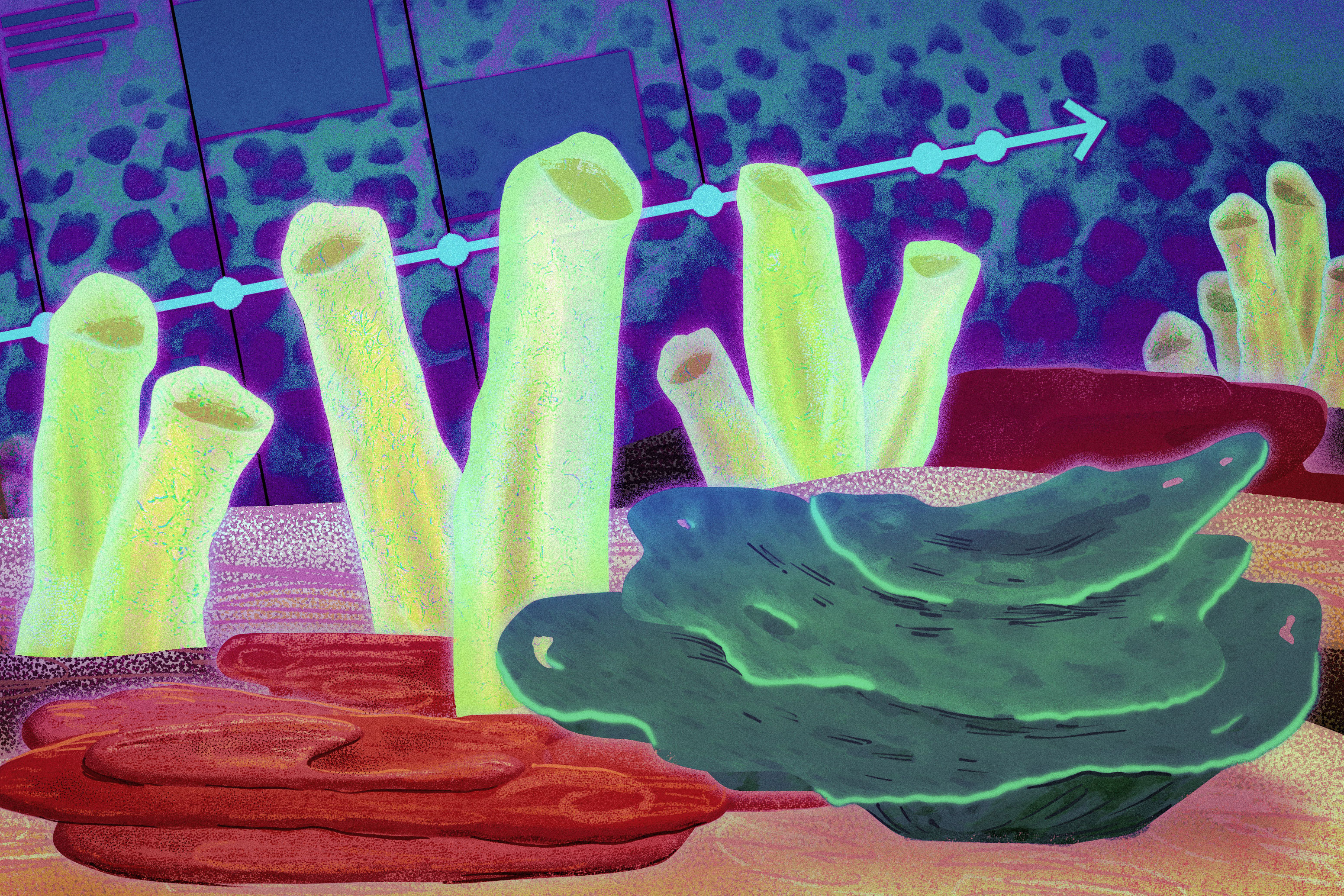 vonHow federal research support has helped create life-changing medicines
 vonInflammation jolts “sleeping” cancer cells awake, enabling them to multiply again
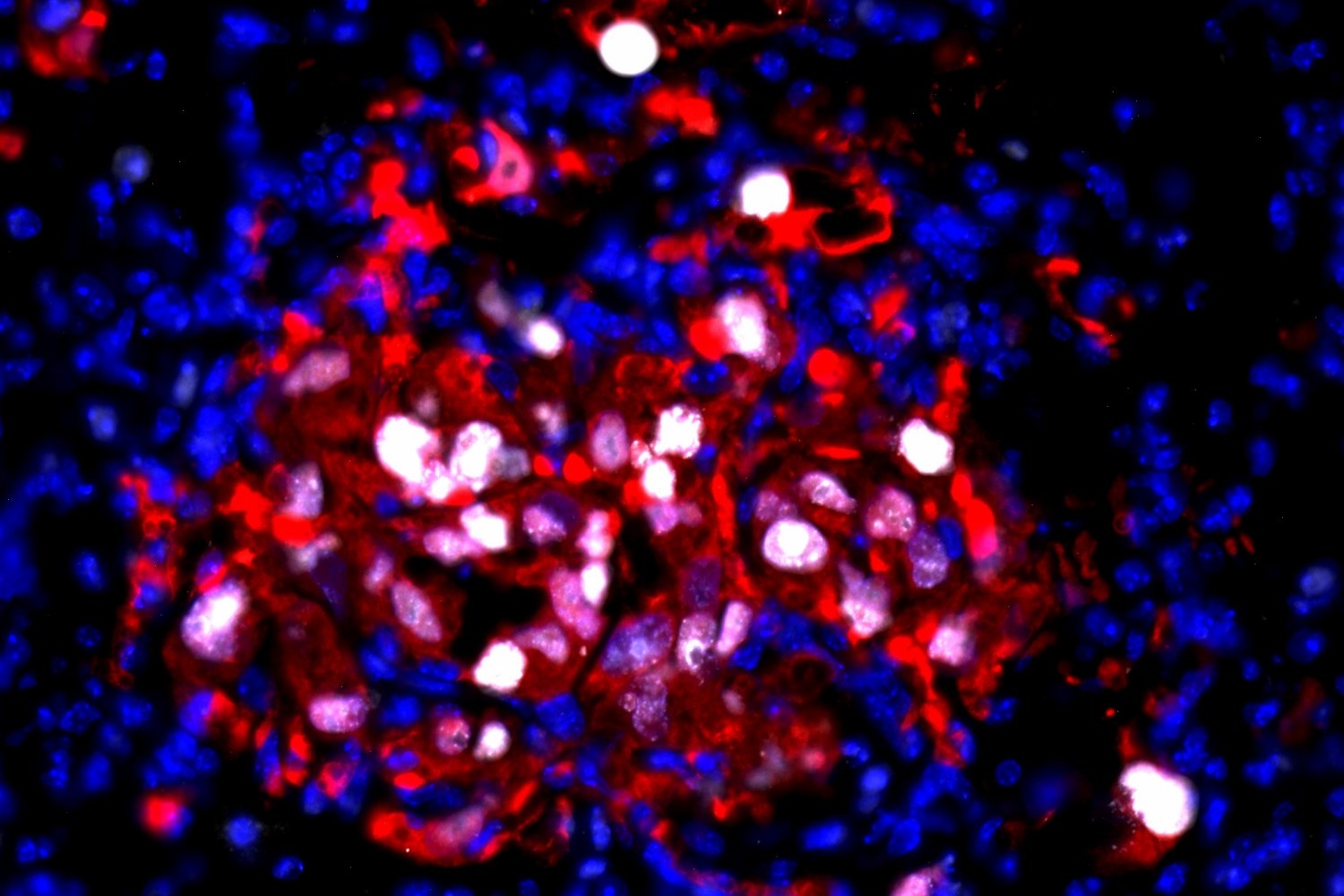 vonA more precise way to edit the genome
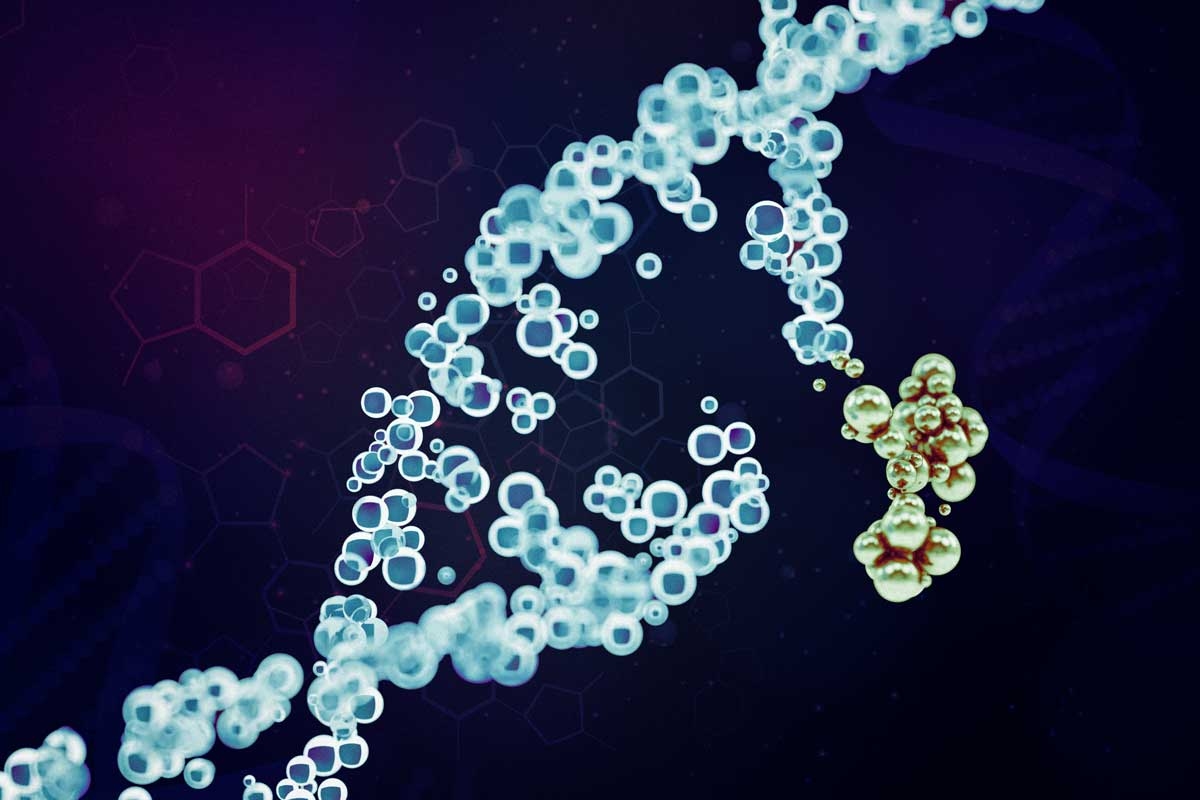 vonThis MIT spinout is taking biomolecule storage out of the freezer
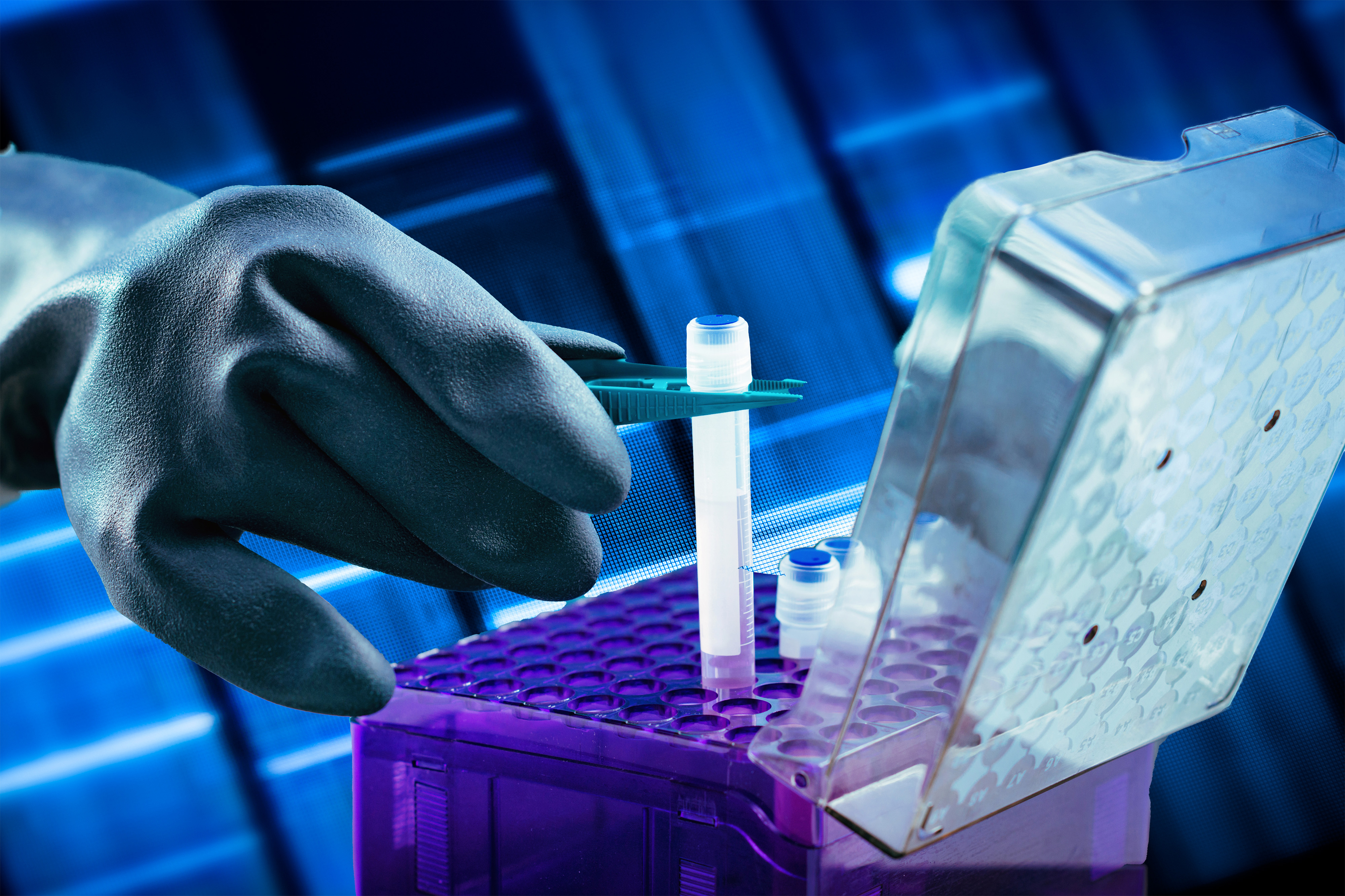 vonStudy explains how a rare gene variant contributes to Alzheimer’s disease
 vonStudy finds cell memory can be more like a dimmer dial than an on/off switch
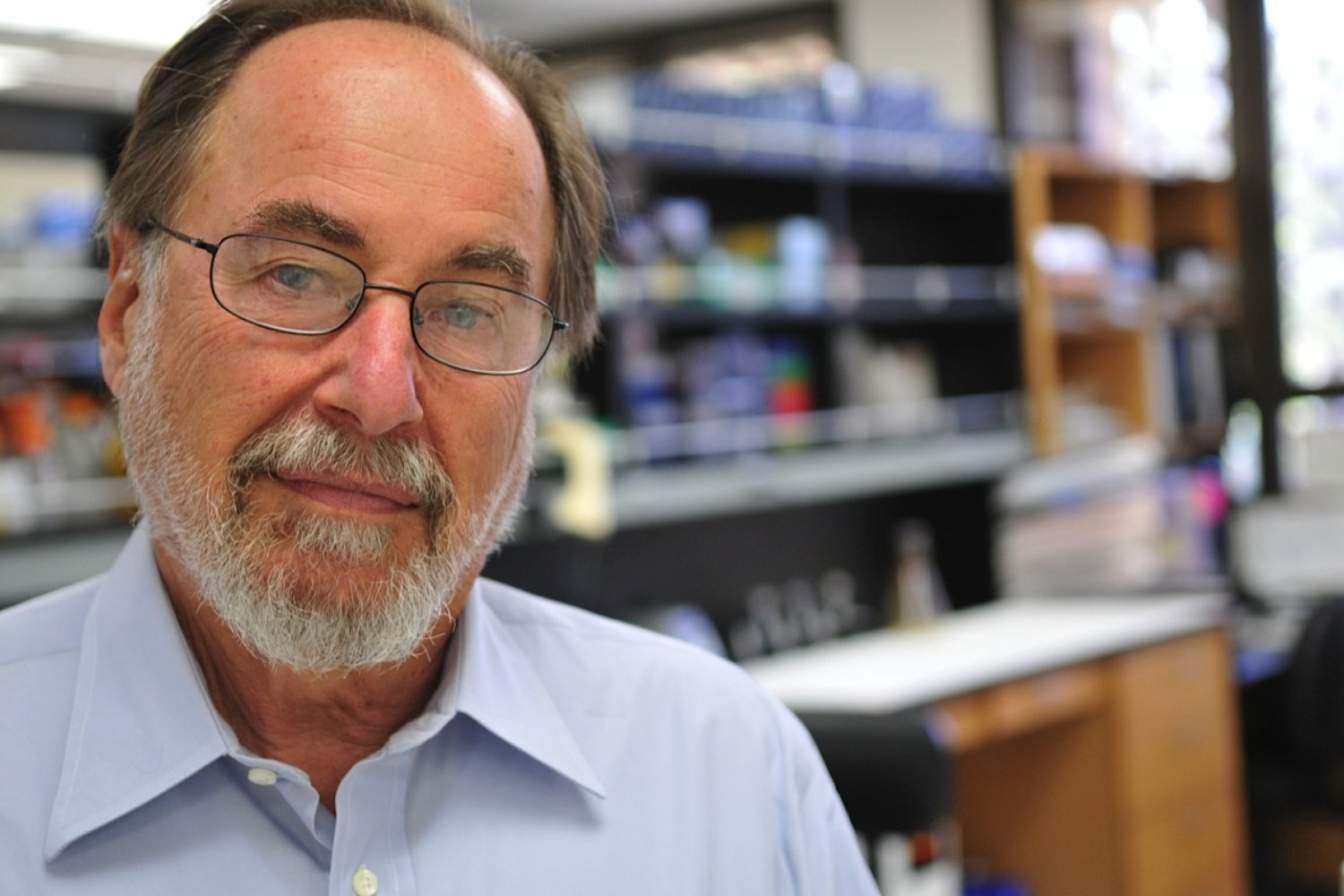
 vonRemembering David Baltimore, influential biologist and founding director of the Whitehead Institute
 von Whitehead Institute am 9. September 2025 um 0:00
The longtime MIT professor and Nobel laureate was a globally respected researcher, academic leader, and science policy visionary who guided the careers of generations of scientists.