
HealthCare am MIT
von 
W.M. Keck Foundation to support research on healthy aging at MITvon 
MIT-Royalty Pharma Faculty Founder Initiative supports biotech innovatorsvon 
AI to help researchers see the bigger picture in cell biologyvon 
Fragile X study uncovers brain wave biomarker bridging humans and micevon 
Bridging science and society in the emerging bioeconomyvon 
Using synthetic biology and AI to address global antimicrobial resistance threatvon 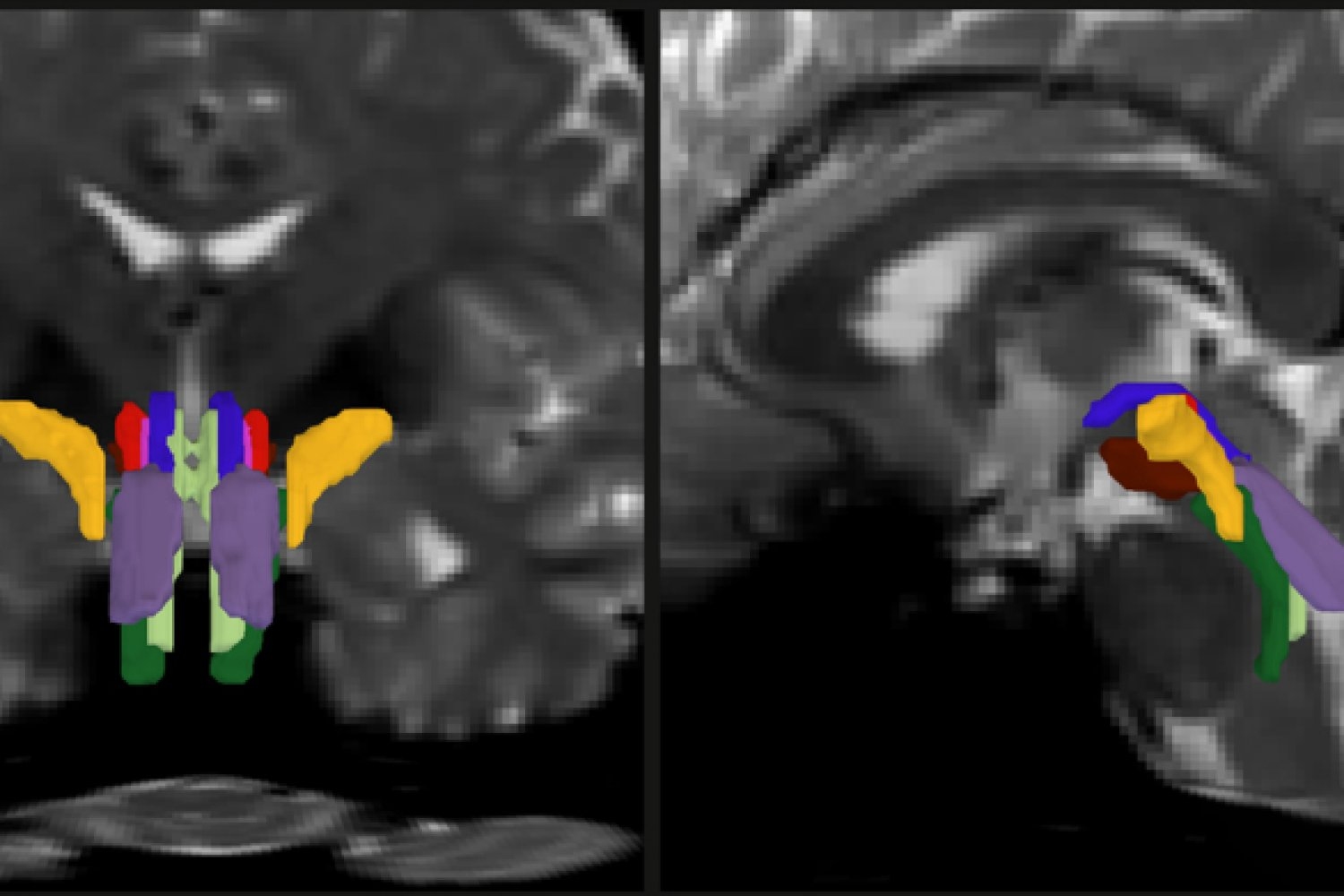
AI algorithm enables tracking of vital white matter pathwaysvon 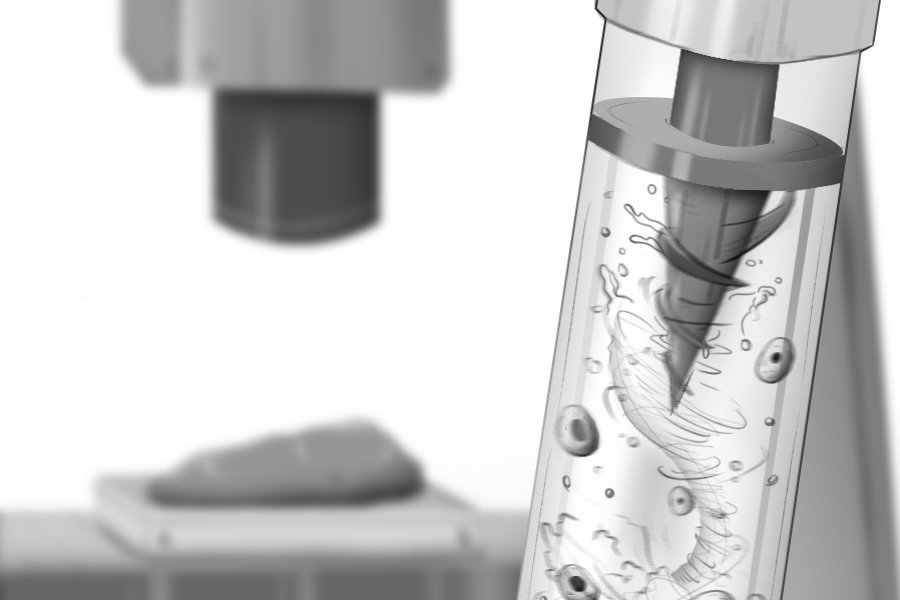
Magnetic mixer improves 3D bioprintingvon 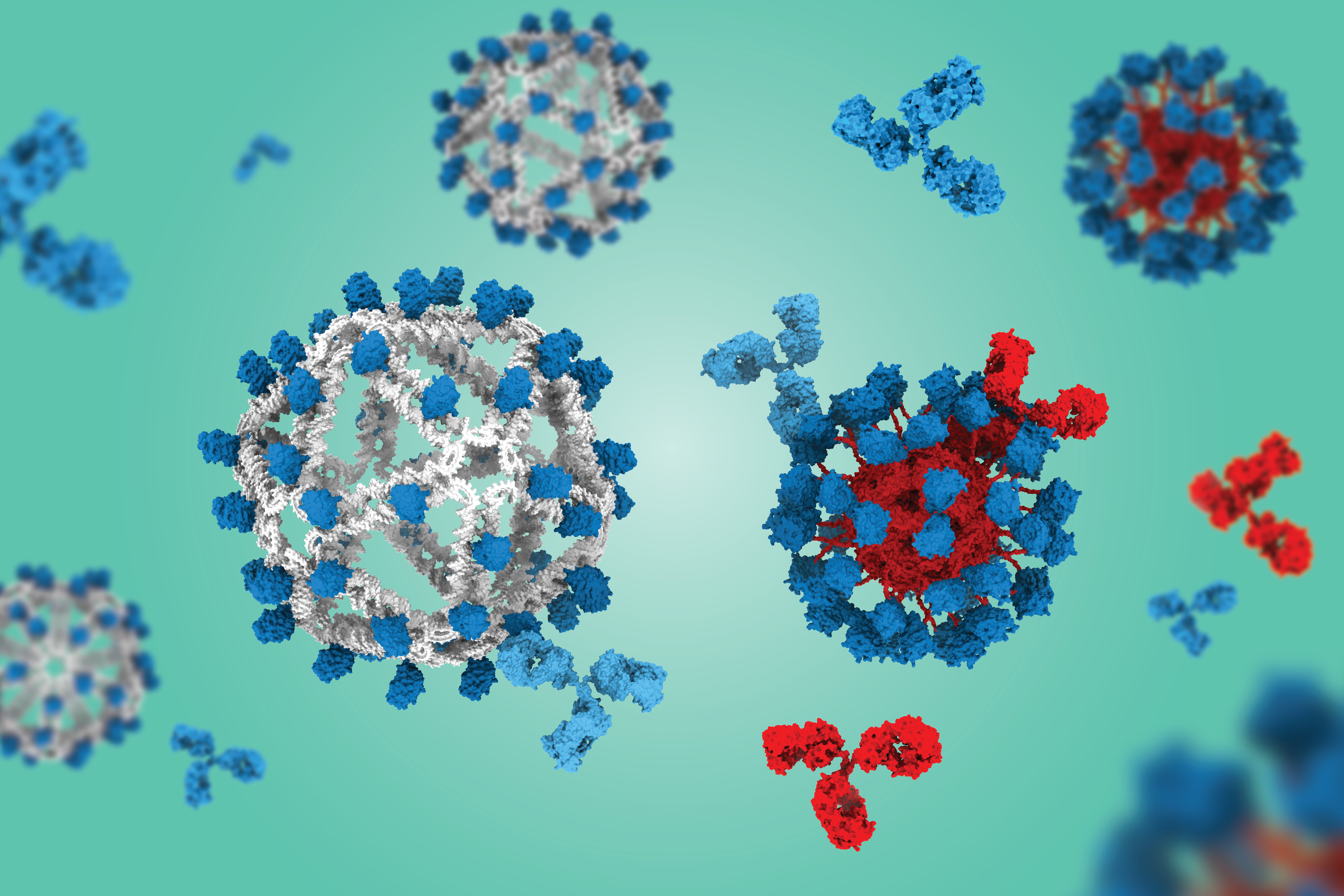
New vaccine platform promotes rare protective B cellsvon 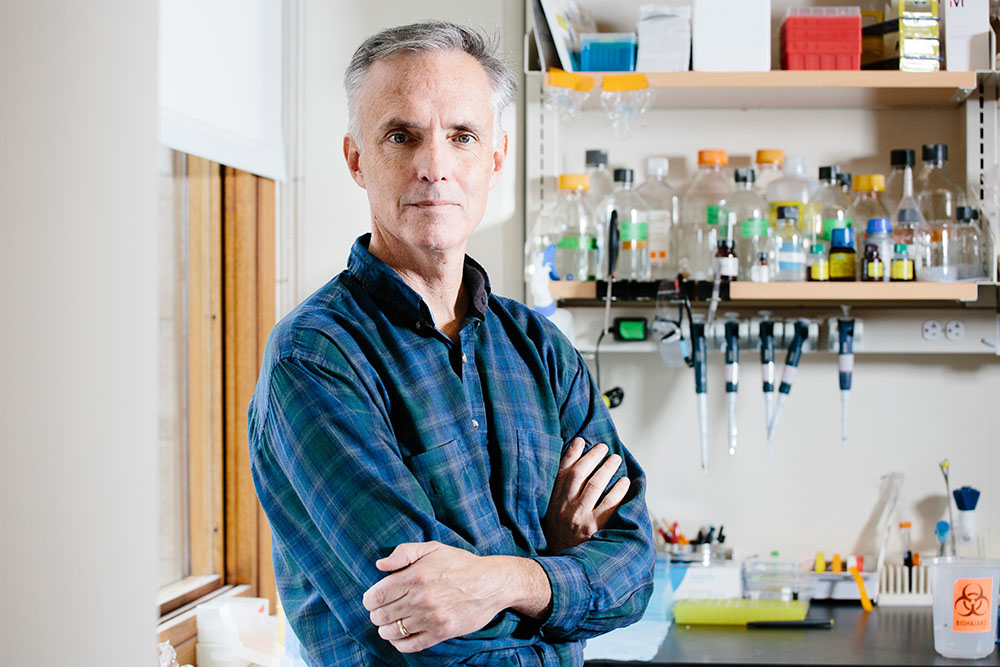
3 Questions: Using AI to accelerate the discovery and design of therapeutic drugsvon 
SMART launches new Wearable Imaging for Transforming Elderly Care research groupvon 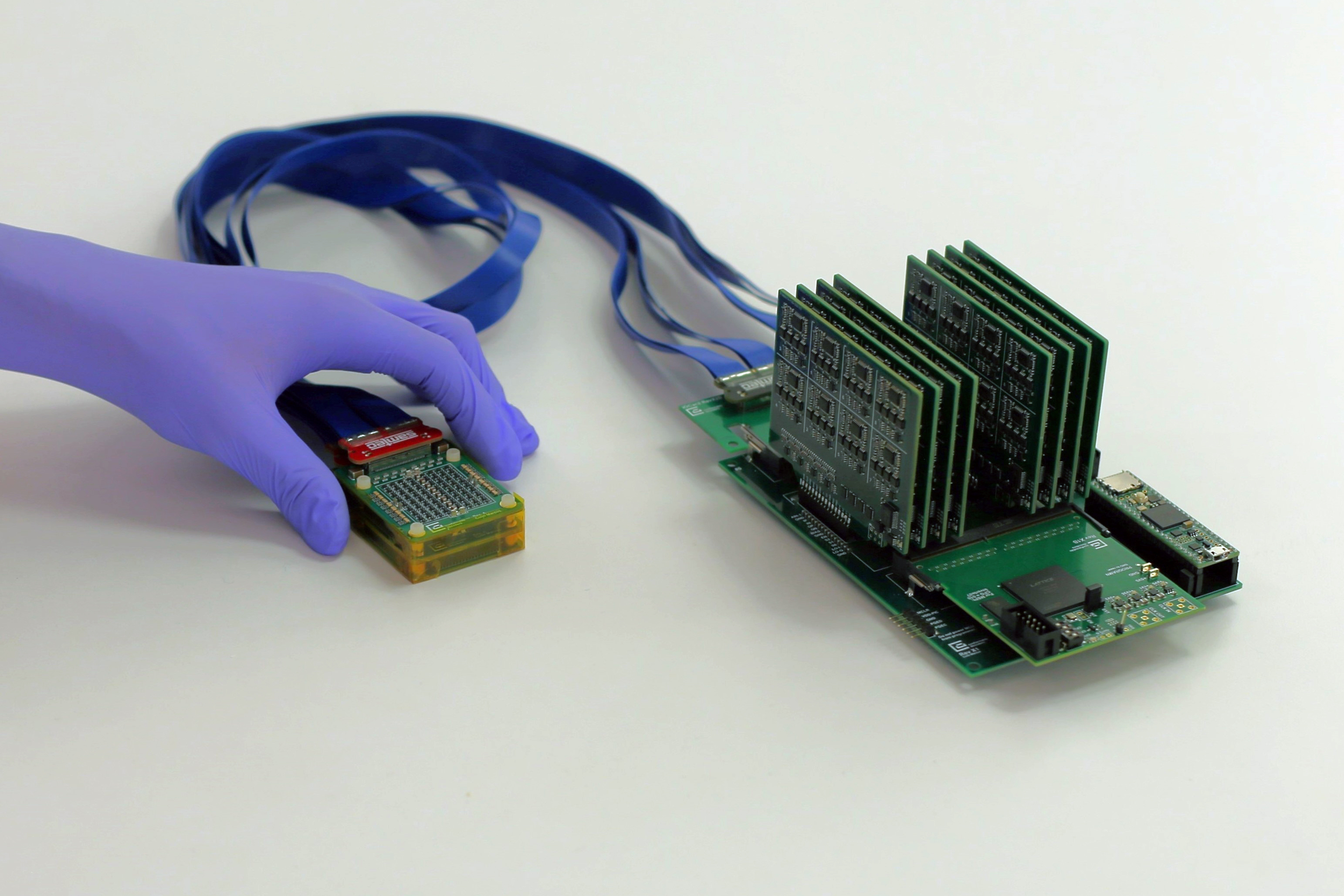
A portable ultrasound sensor may enable earlier detection of breast cancervon
A portable ultrasound sensor may enable earlier detection of breast cancervon 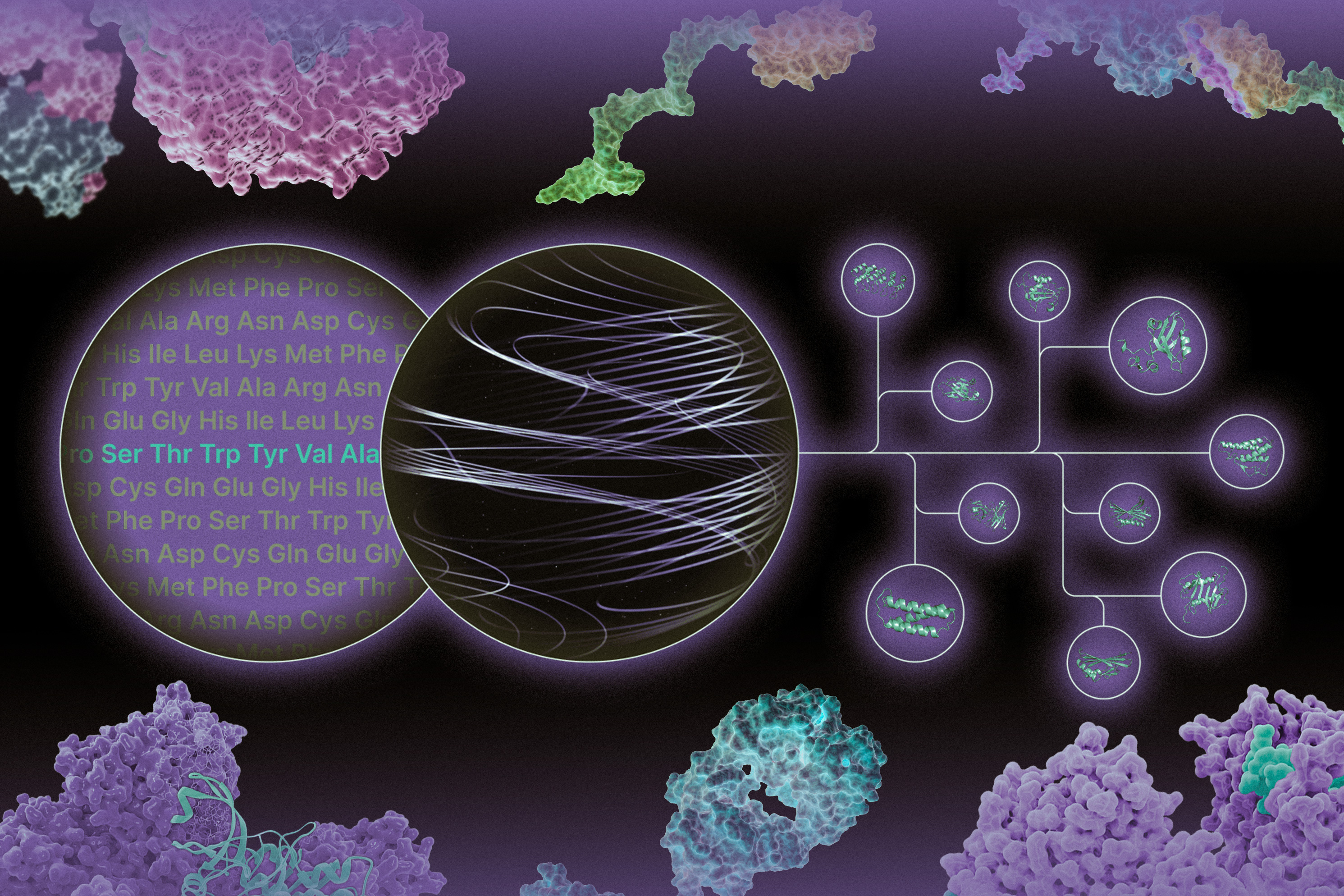
Designing the future of metabolic health through tissue-selective drug deliveryvon 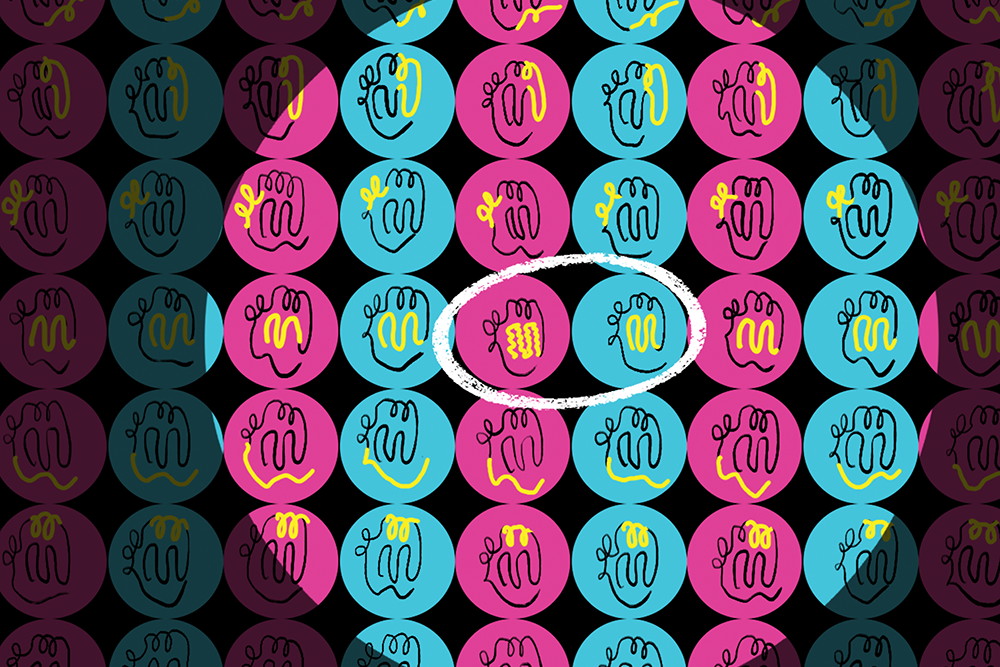
Cancer’s secret safety netvon
Cancer’s secret safety netvon 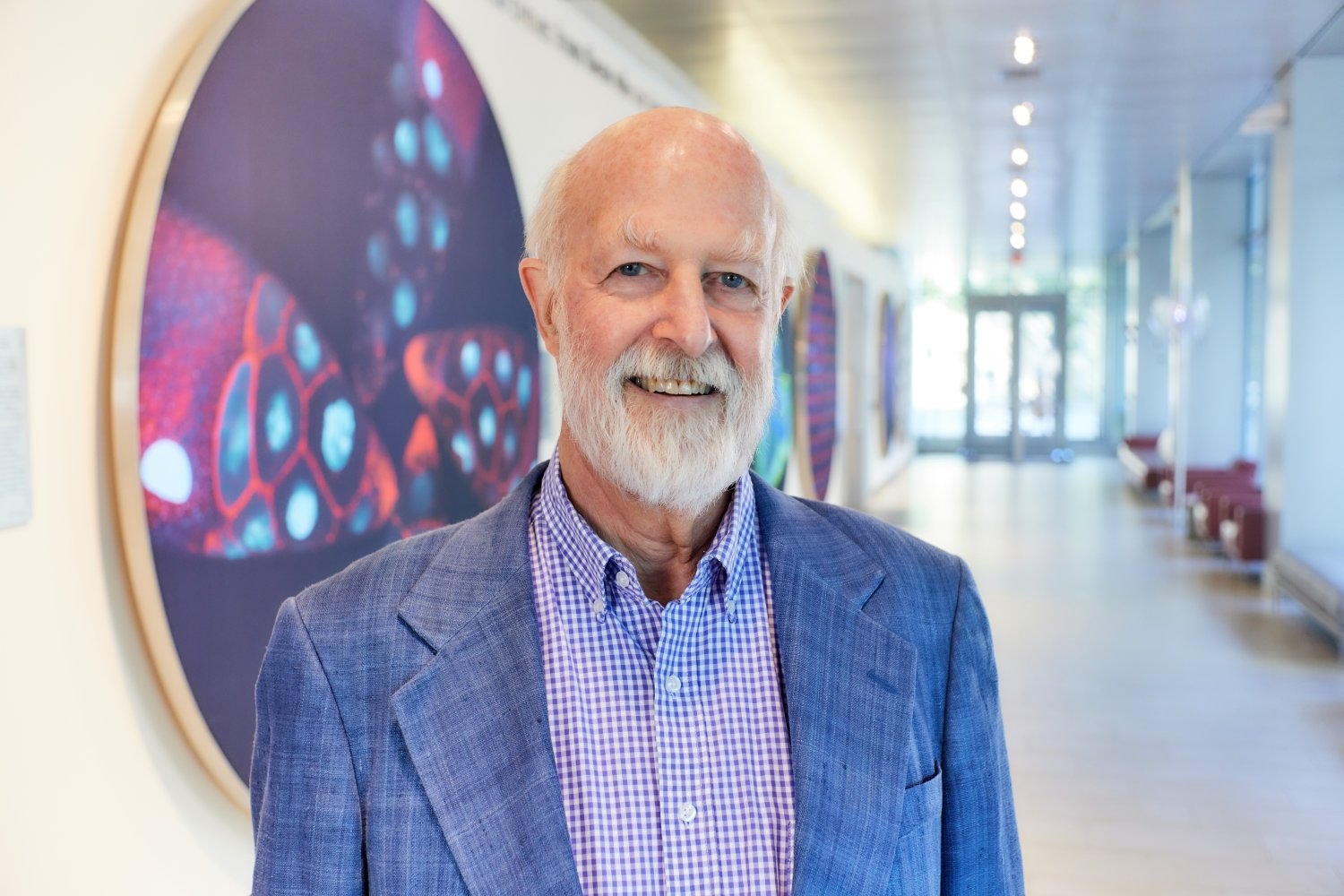
Richard Hynes, a pioneer in the biology of cellular adhesion, dies at 81von
Richard Hynes, a pioneer in the biology of cellular adhesion, dies at 81von 
Why it’s critical to move beyond overly aggregated machine-learning metricsvon 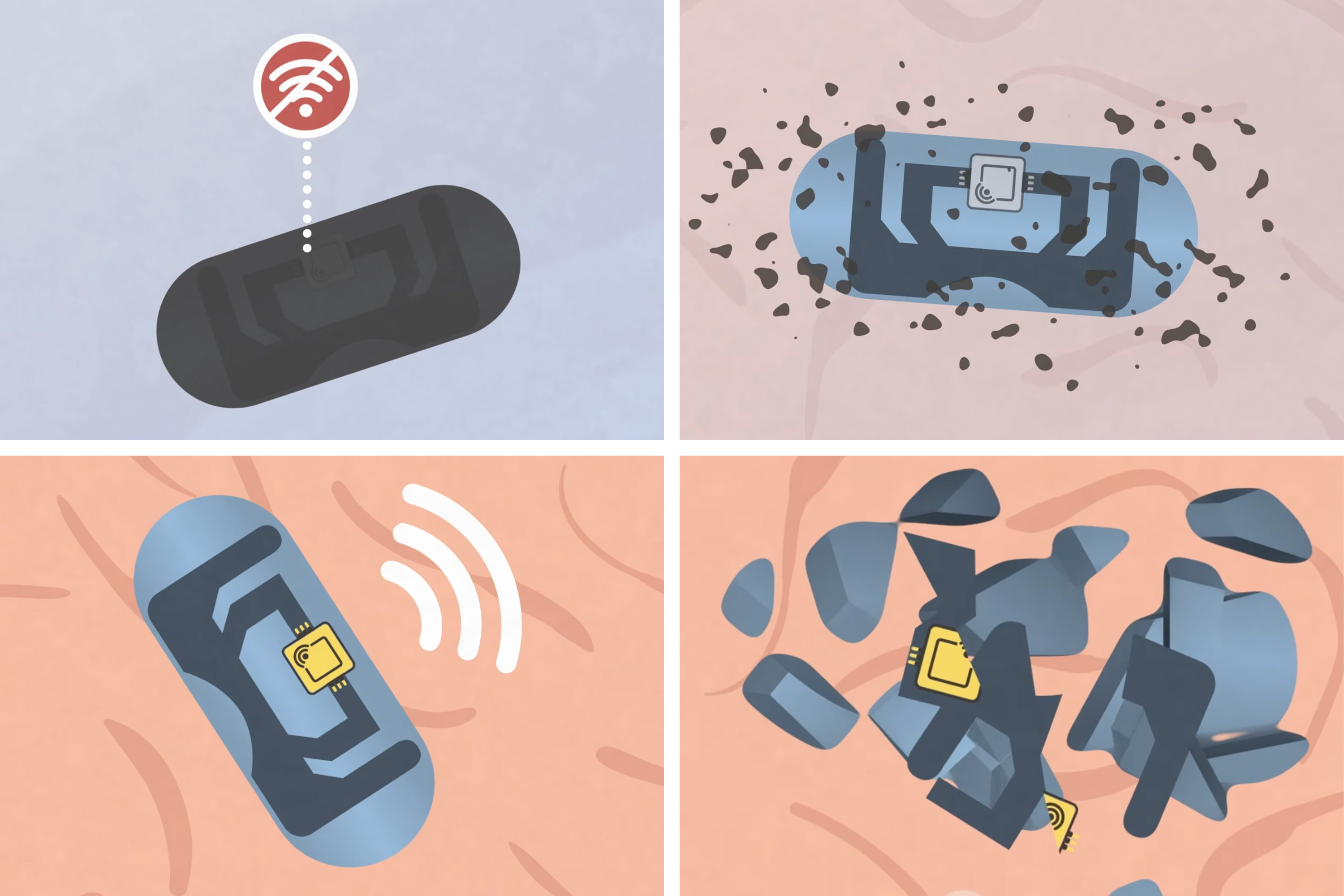
Pills that communicate from the stomach could improve medication adherencevon 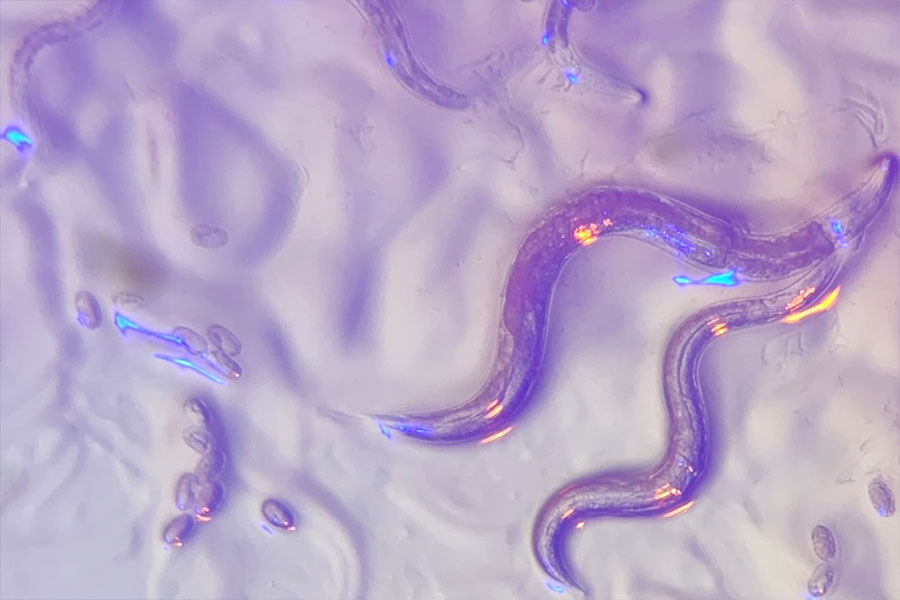
Celebrating worm sciencevon 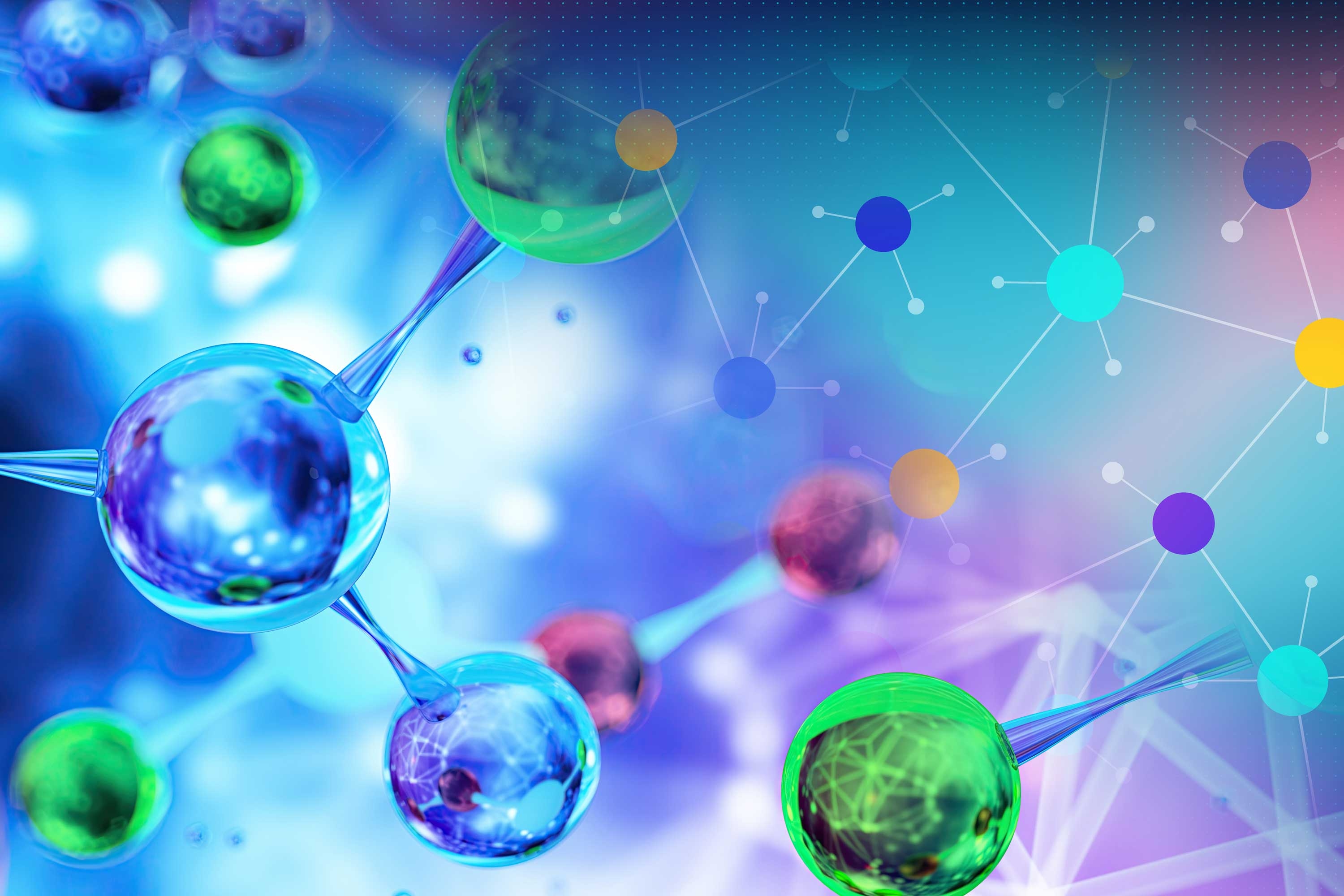
AI-generated sensors open new paths for early cancer detectionvon
AI-generated sensors open new paths for early cancer detectionvon 
Sean Luk: Addressing the urgent need for better immunotherapyvon 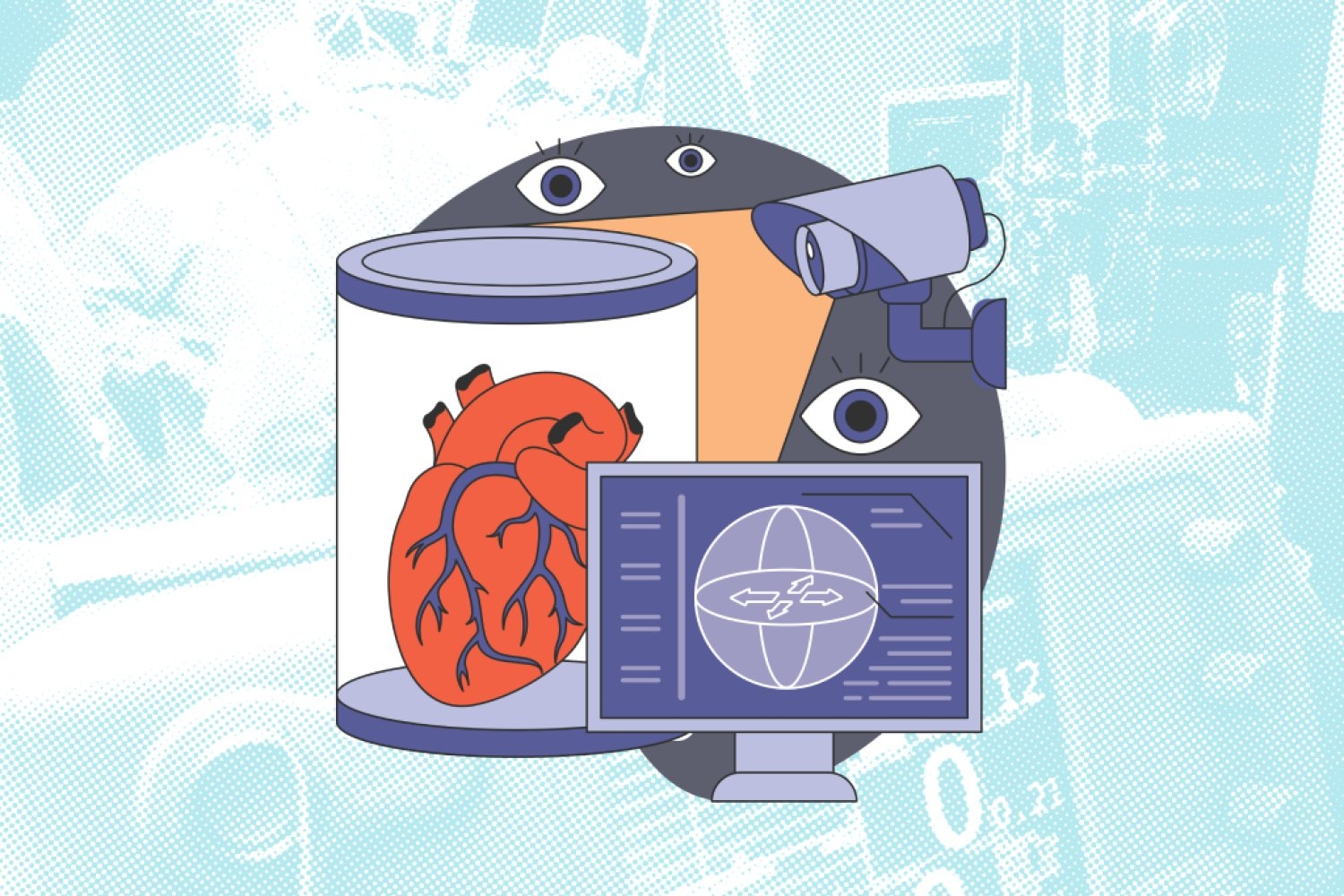
MIT scientists investigate memorization risk in the age of clinical AIvon 
MIT in the media: 2025 in reviewvon 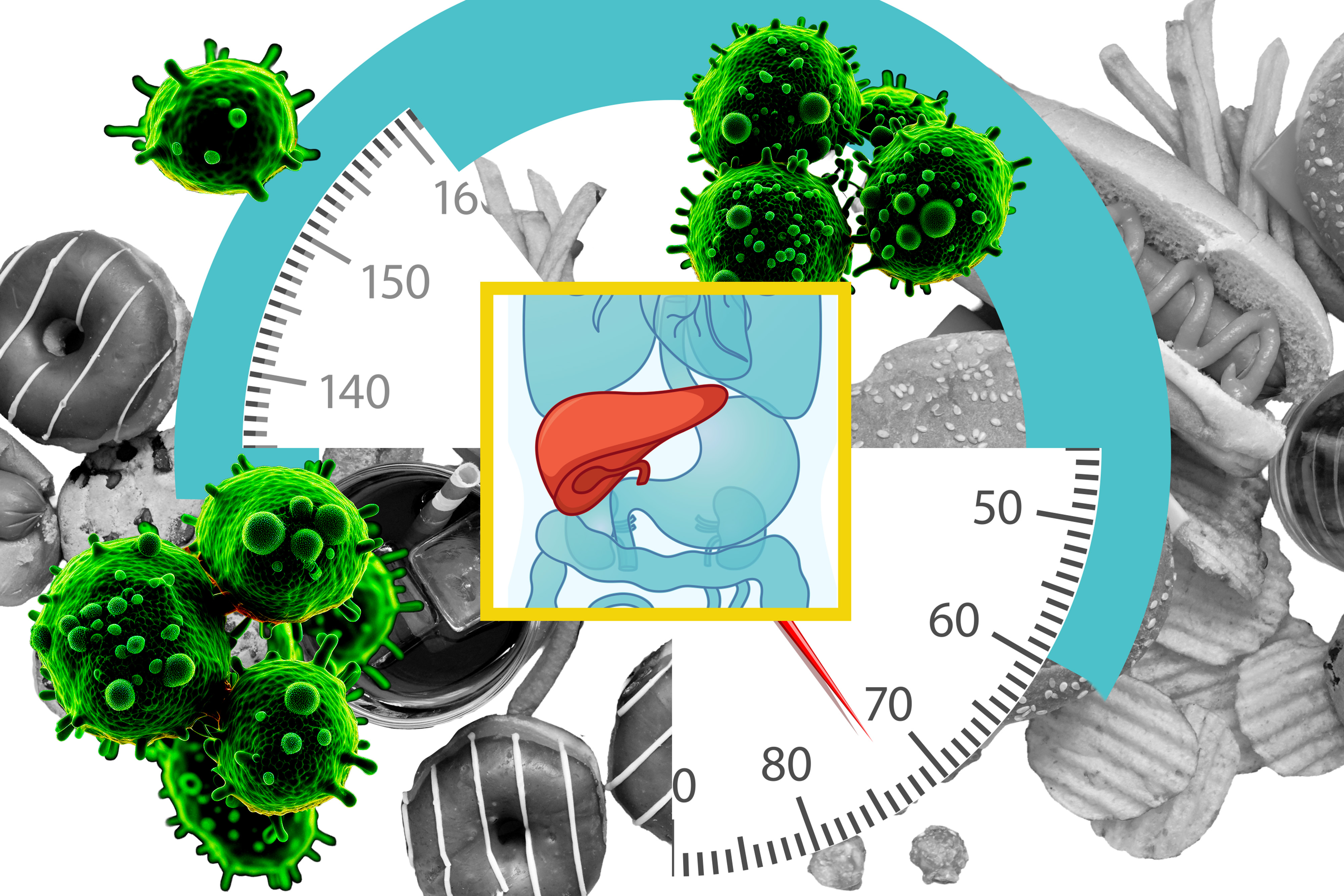
Study: High-fat diets make liver cells more likely to become cancerousvon
Study: High-fat diets make liver cells more likely to become cancerousvon 
Post-COP30, more aggressive policies needed to cap global warming at 1.5 Cvon 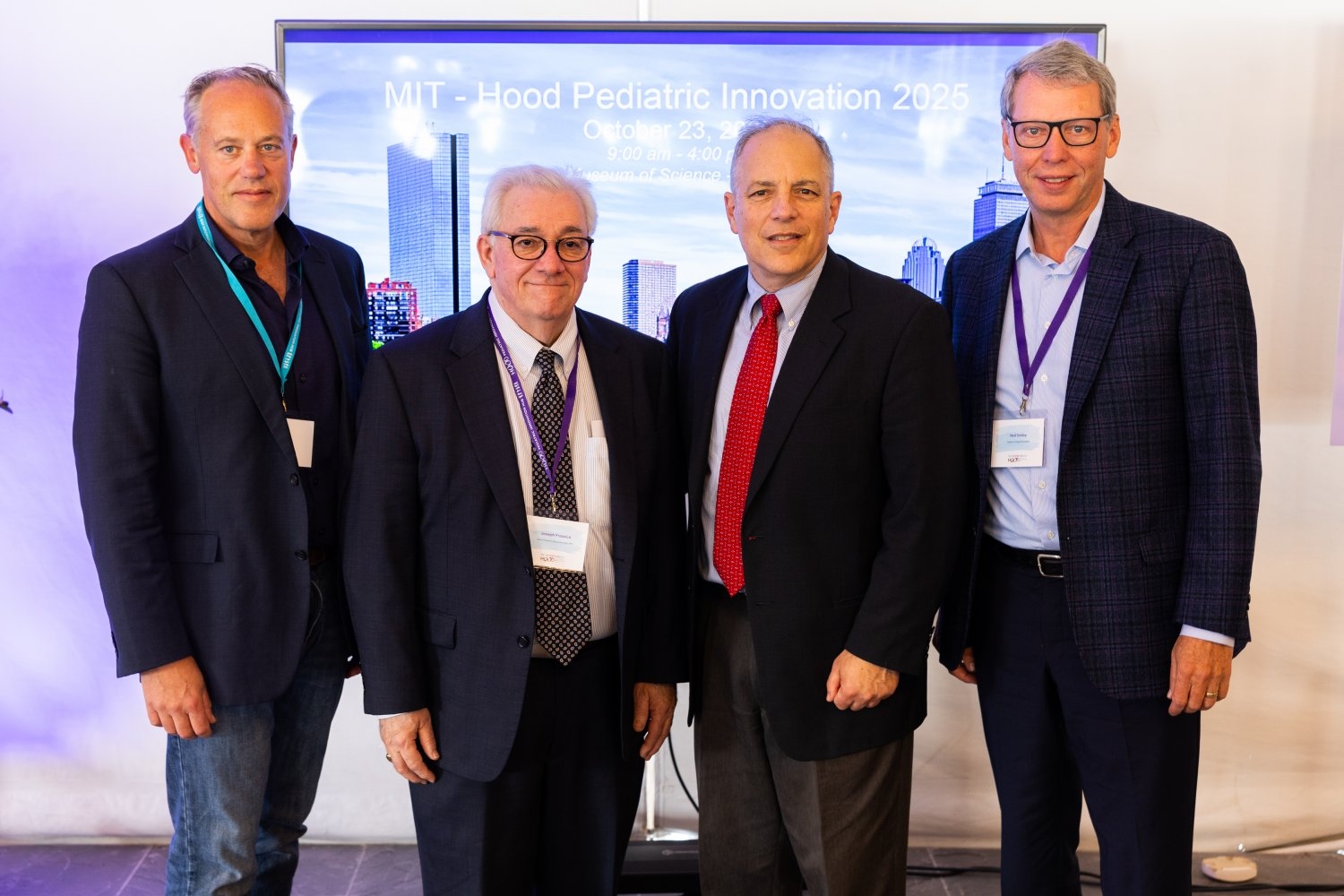
MIT-Hood Pediatric Innovation Hub convenes leaders to advance pediatric healthvon 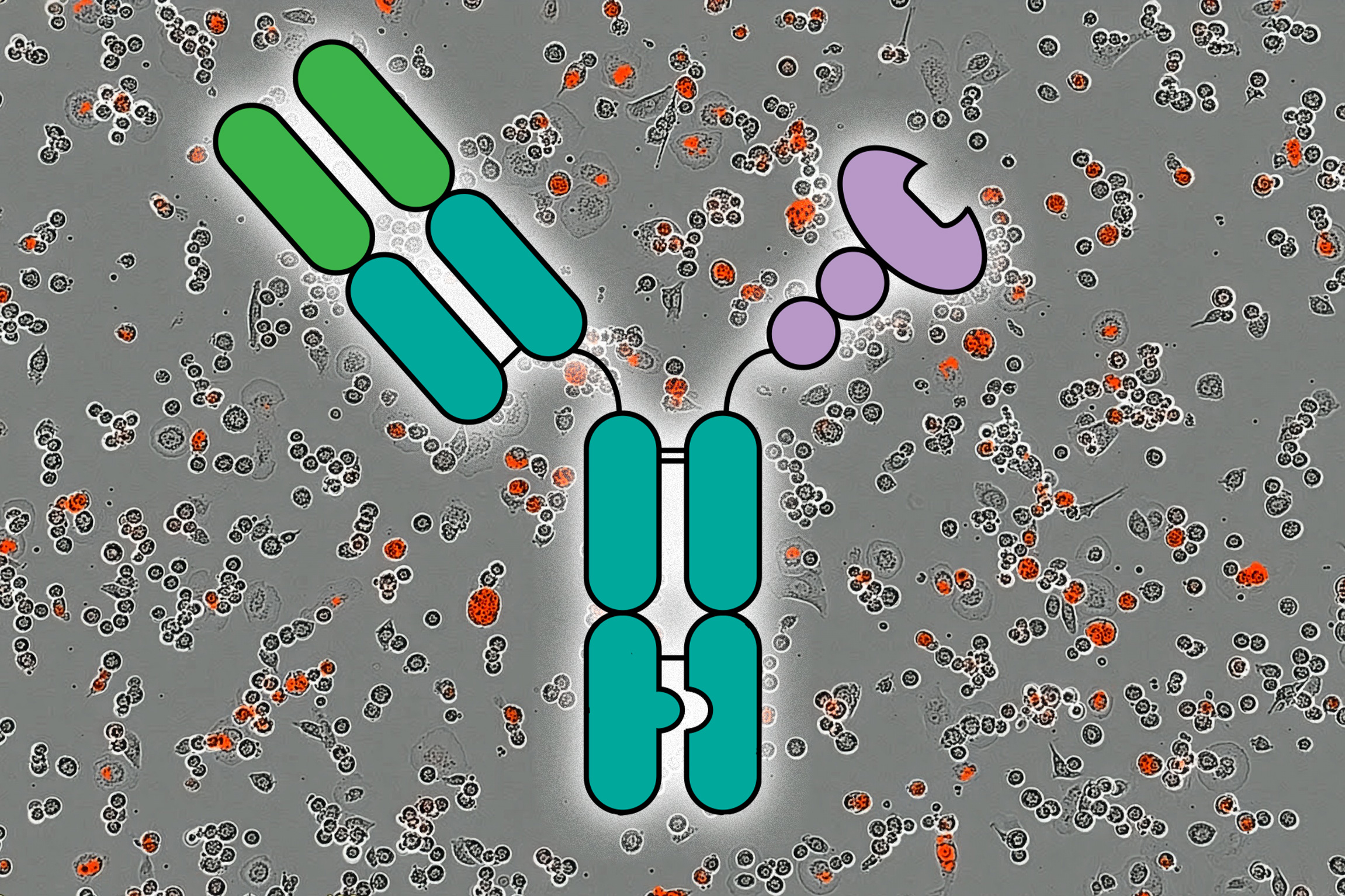
A new immunotherapy approach could work for many types of cancervon 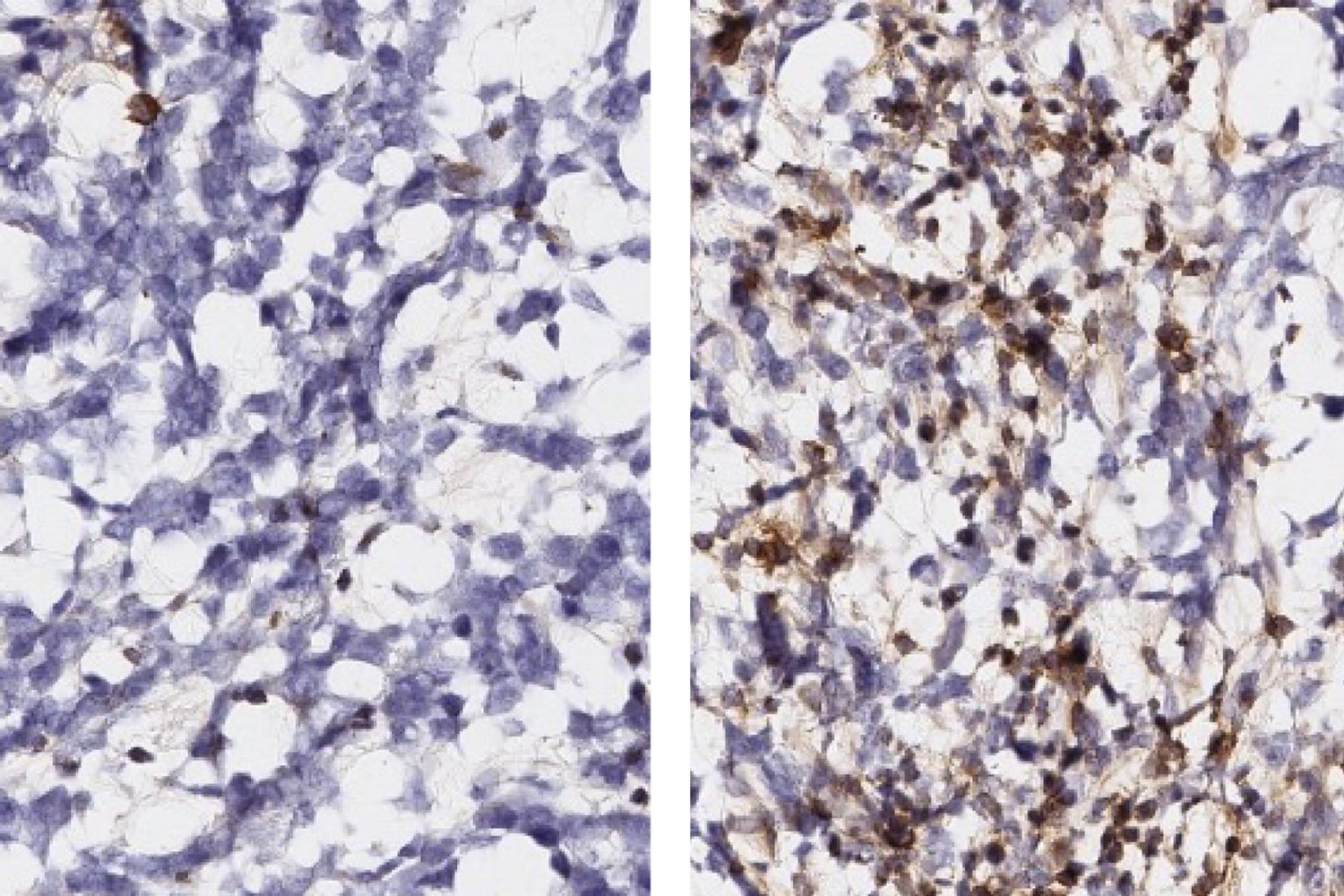
MIT researchers find new immunotherapeutic targets for glioblastomavon 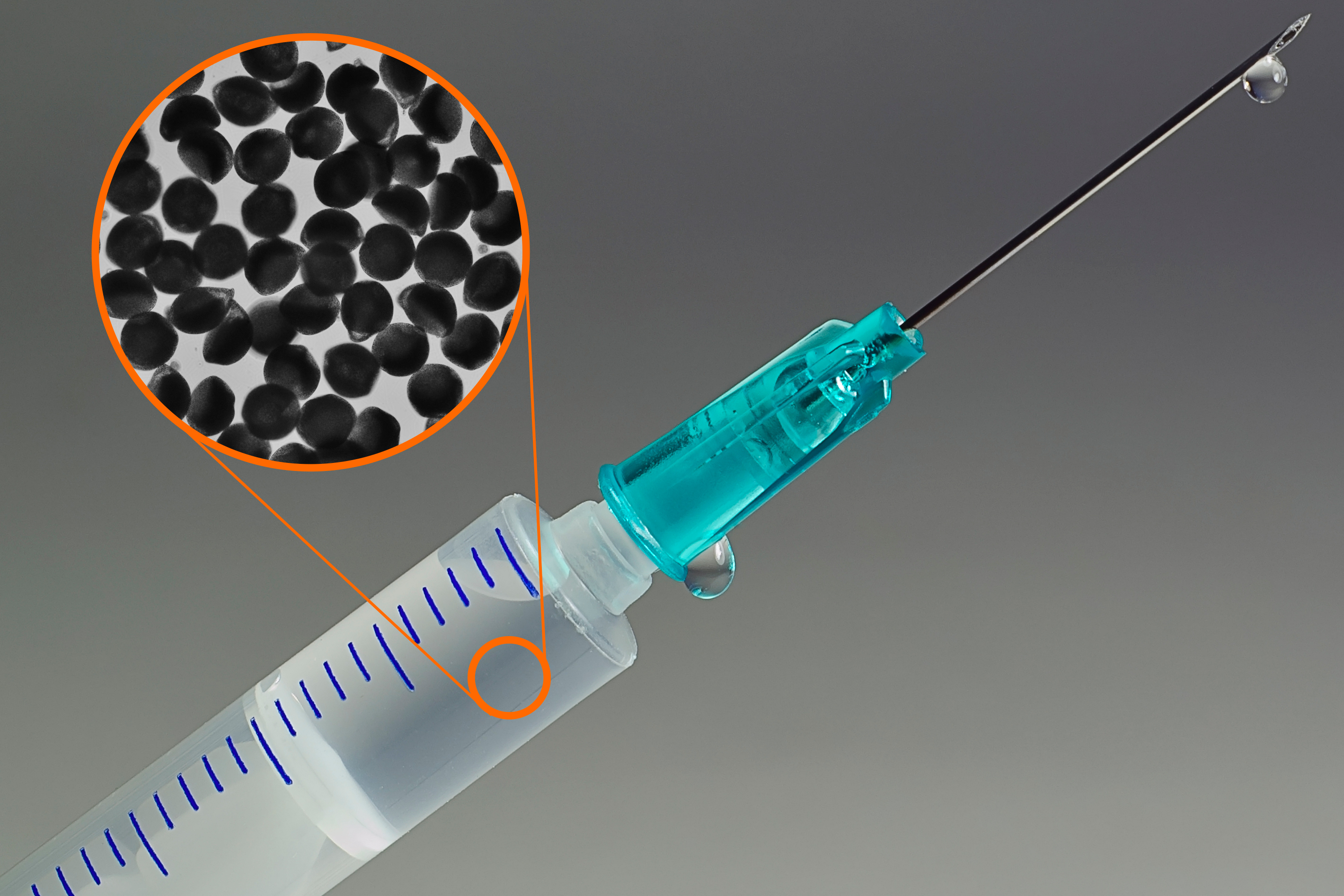
A new way to deliver antibodies could make treatment much easier for patientsvon
A new way to deliver antibodies could make treatment much easier for patientsvon 
Prognostic tool could help clinicians identify high-risk cancer patientsvon
Prognostic tool could help clinicians identify high-risk cancer patientsvon 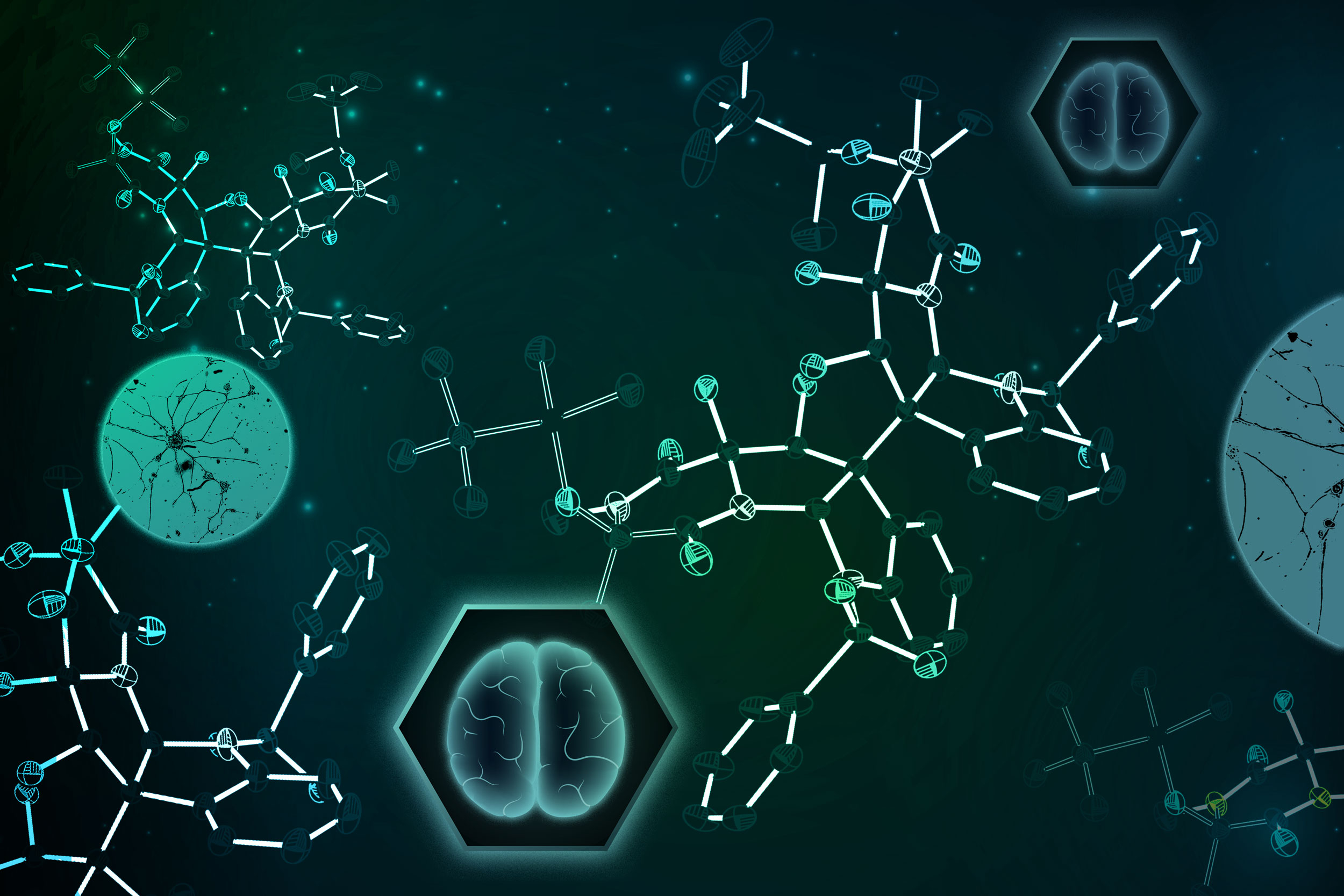
MIT chemists synthesize a fungal compound that holds promise for treating brain cancervon 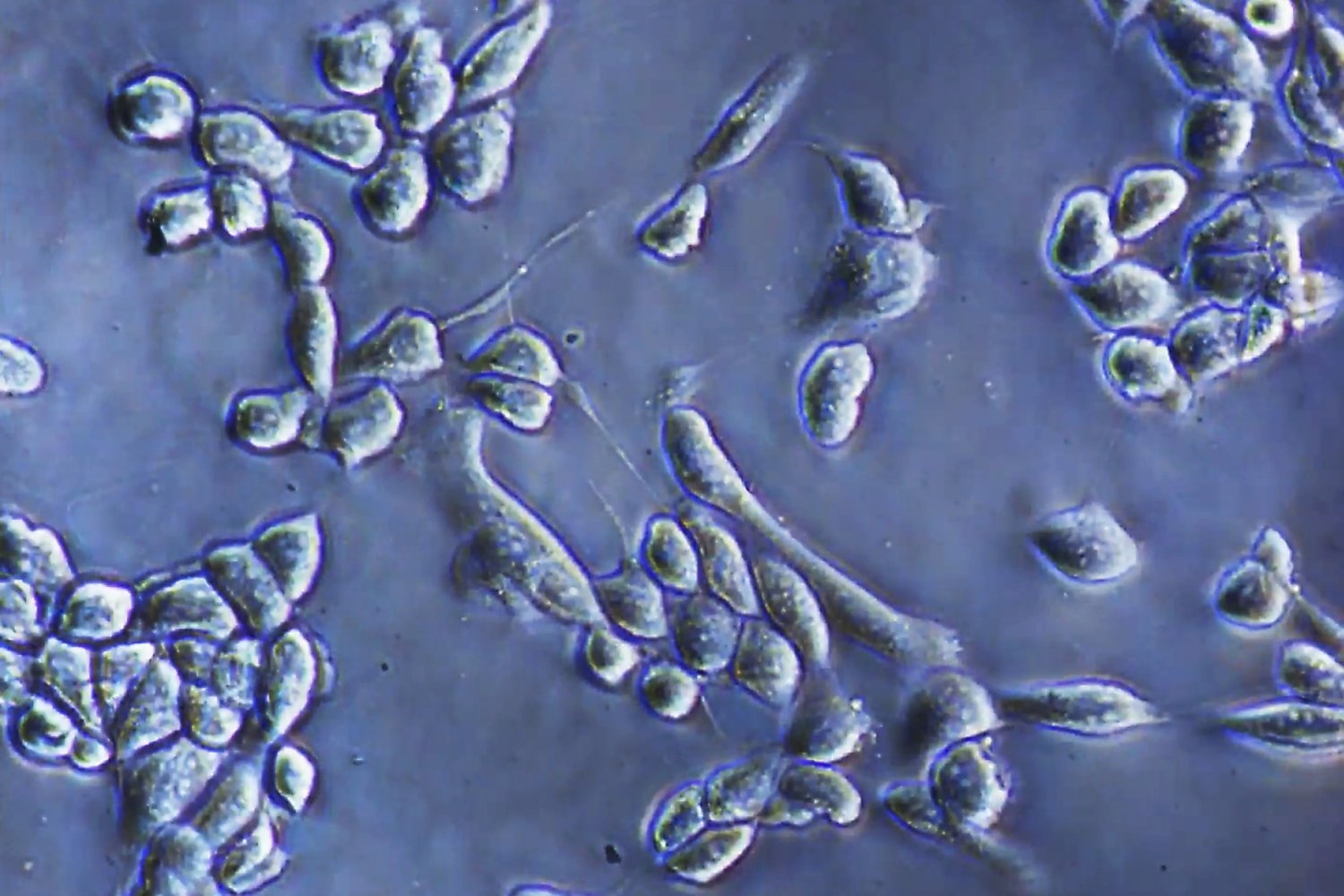
An improved way to detach cells from culture surfacesvon 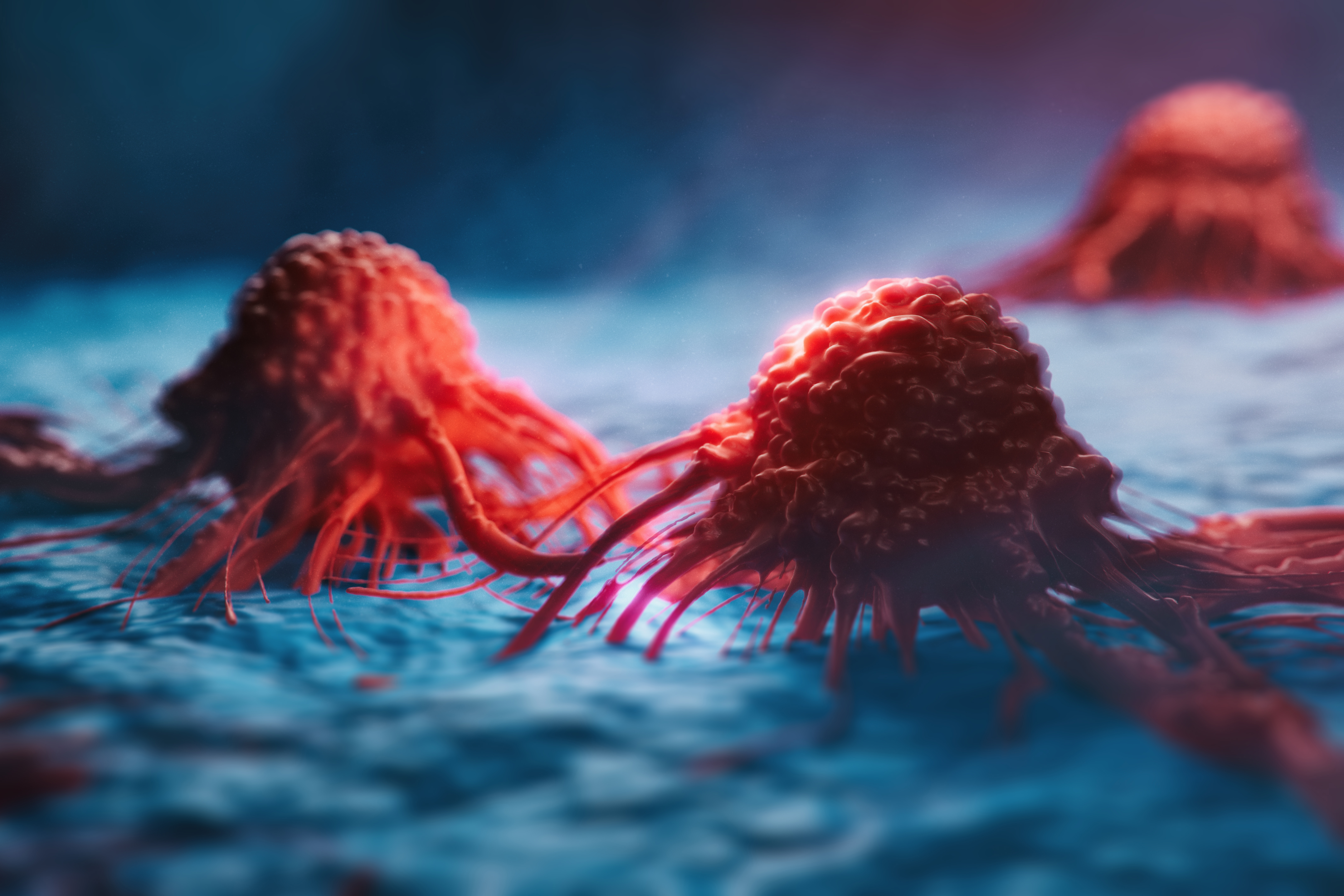
Turning on an immune pathway in tumors could lead to their destructionvon 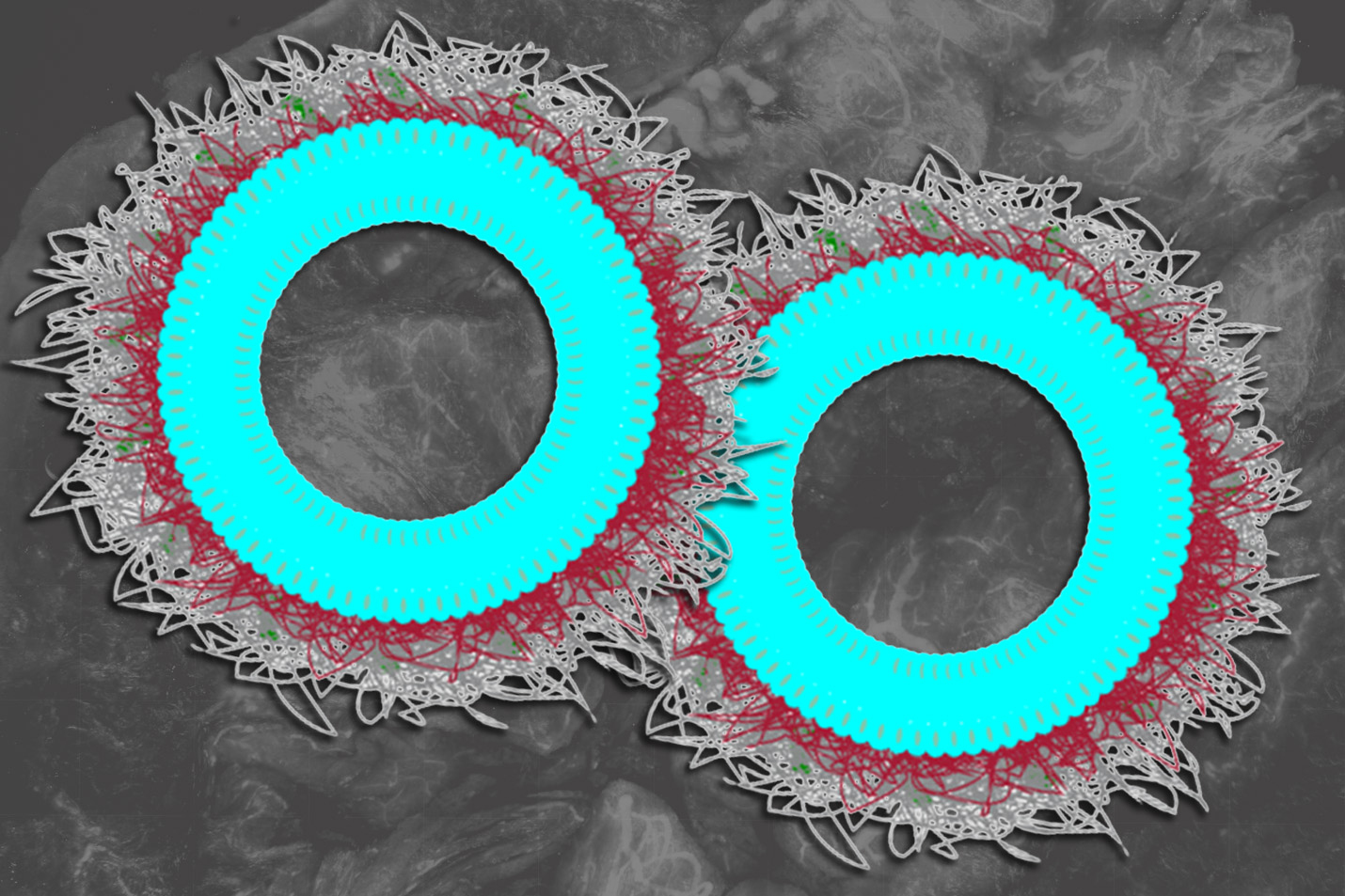
New nanoparticles stimulate the immune system to attack ovarian tumorsvon 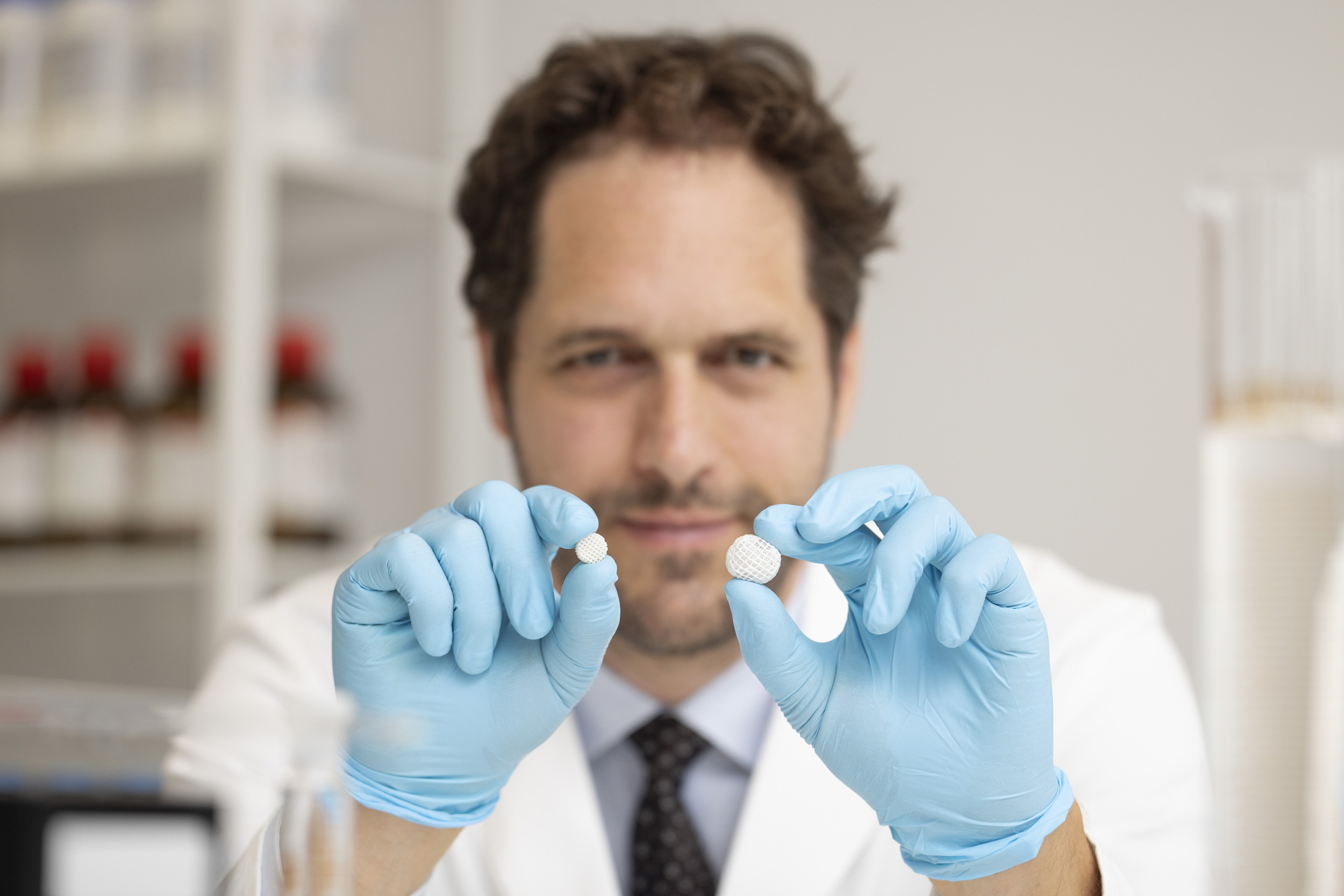
Startup’s tablets deliver cancer drugs more evenly over timevon 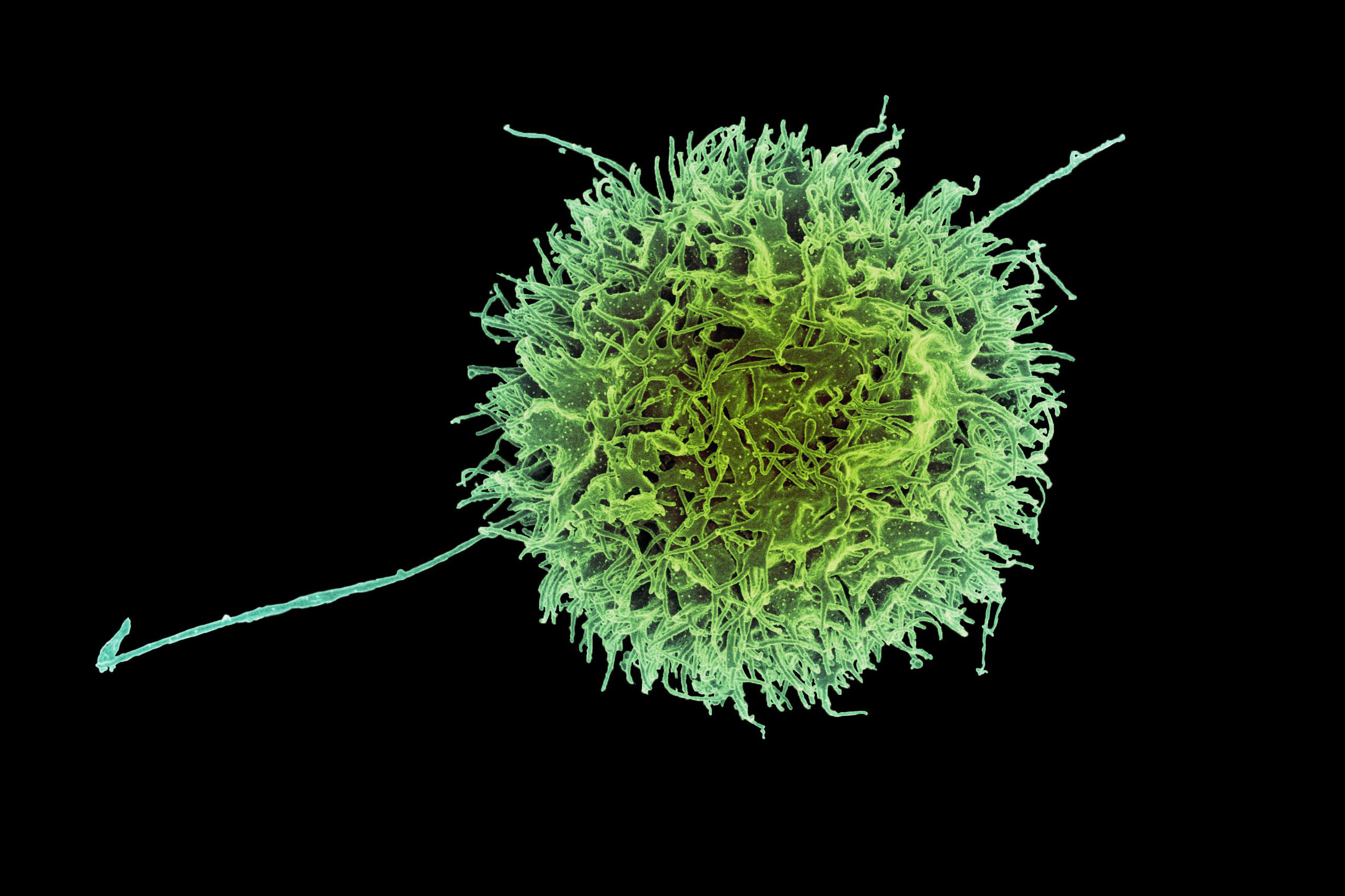
Engineered “natural killer” cells could help fight cancervon 
A cysteine-rich diet may promote regeneration of the intestinal lining, study suggestsvon 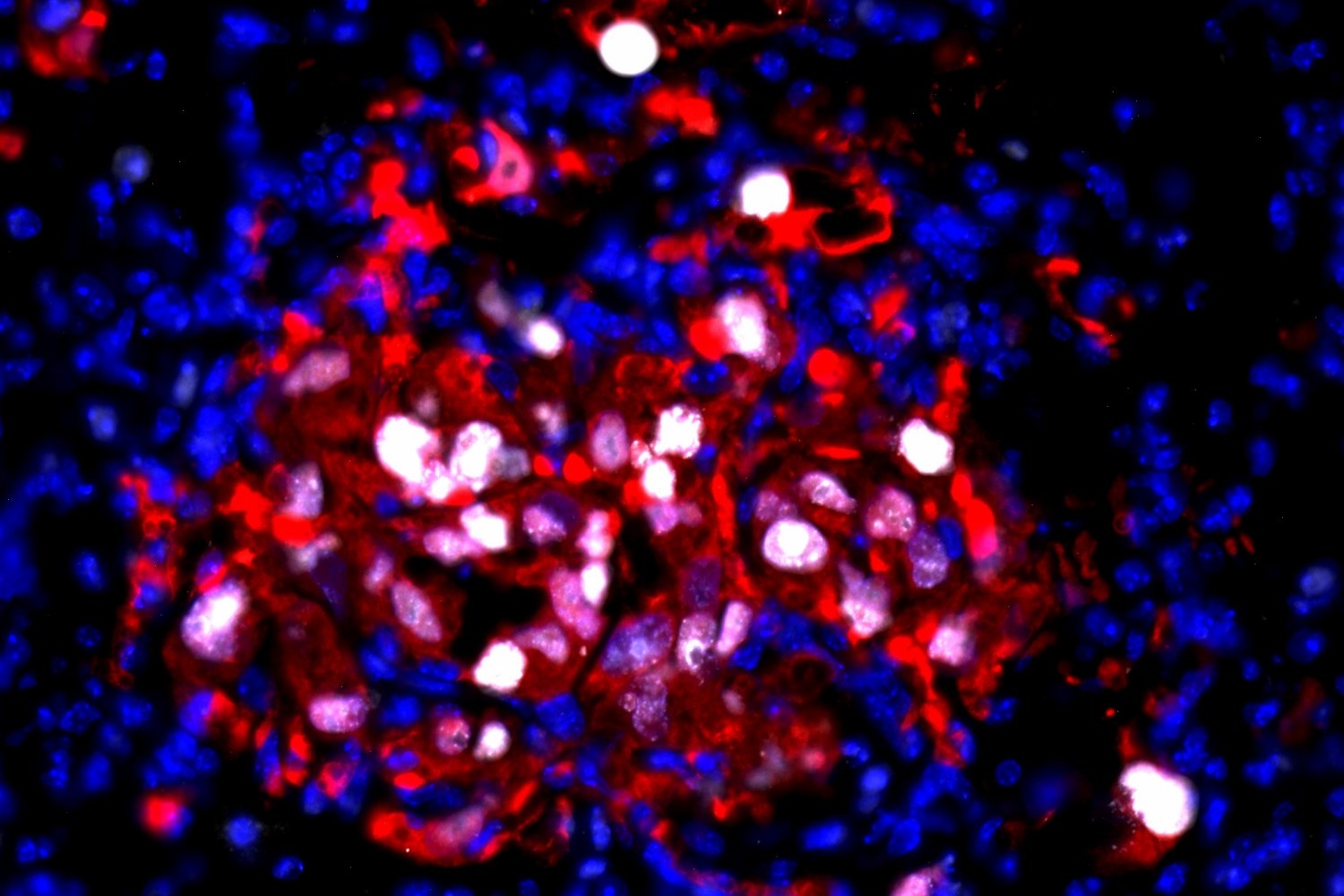
Inflammation jolts “sleeping” cancer cells awake, enabling them to multiply againvon 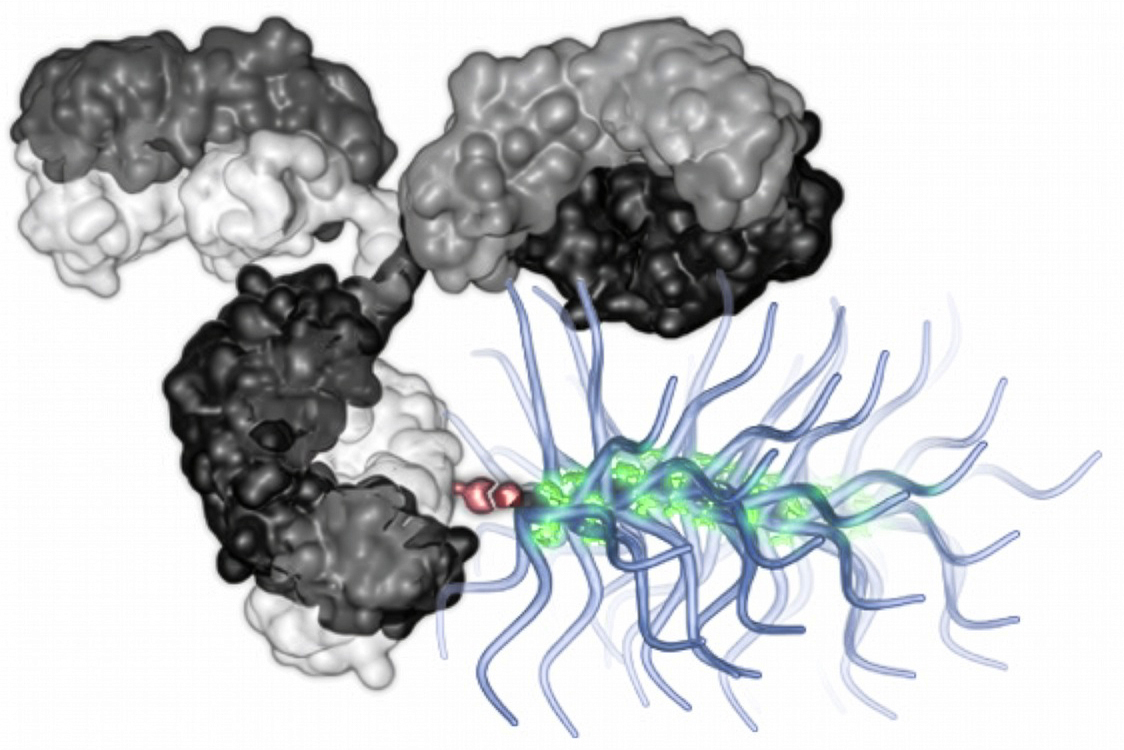
“Bottlebrush” particles deliver big chemotherapy payloads directly to cancer cellsvon 
Mapping cells in time and space: New tool reveals a detailed history of tumor growthvon 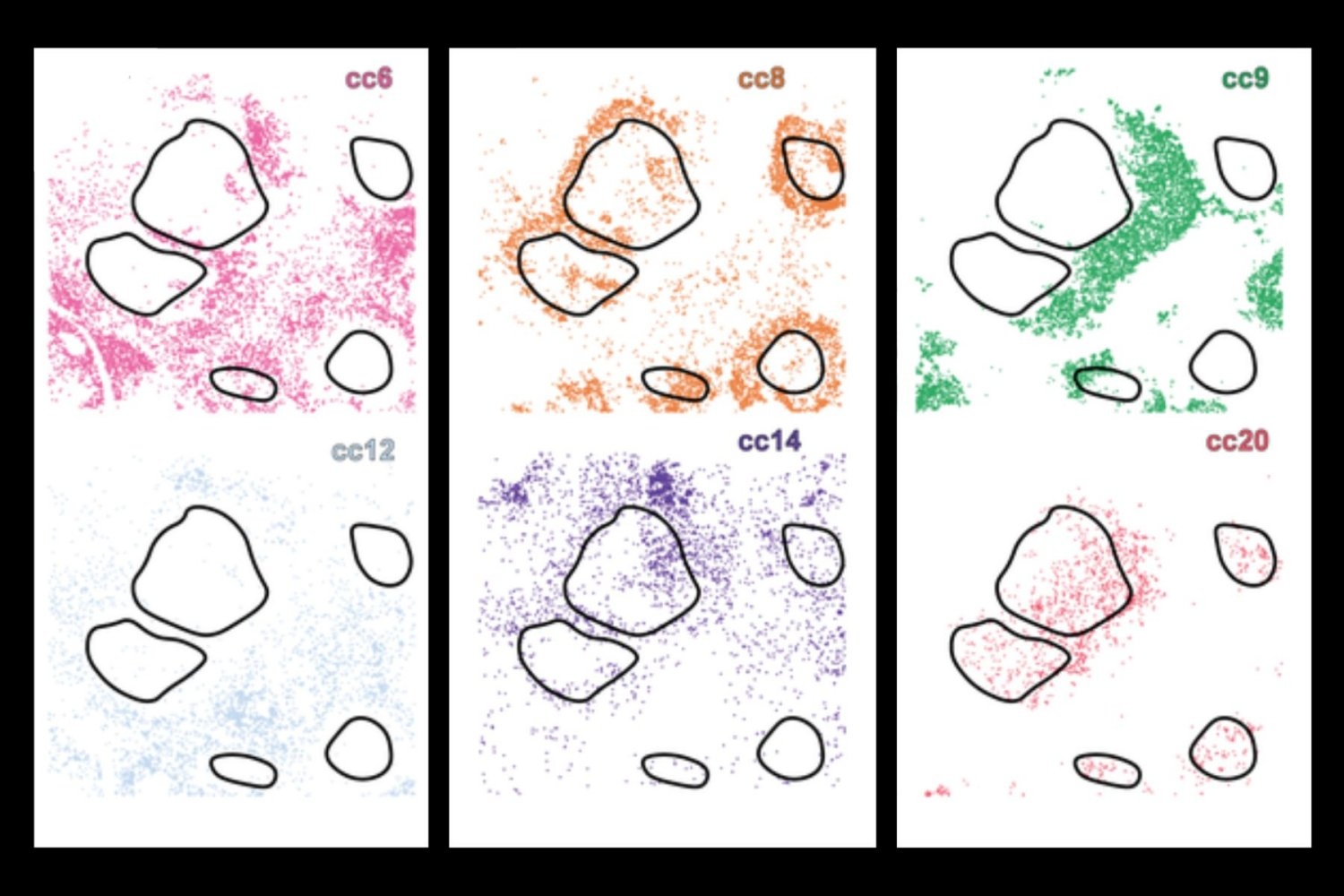
New AI system uncovers hidden cell subtypes, boosts precision medicinevon 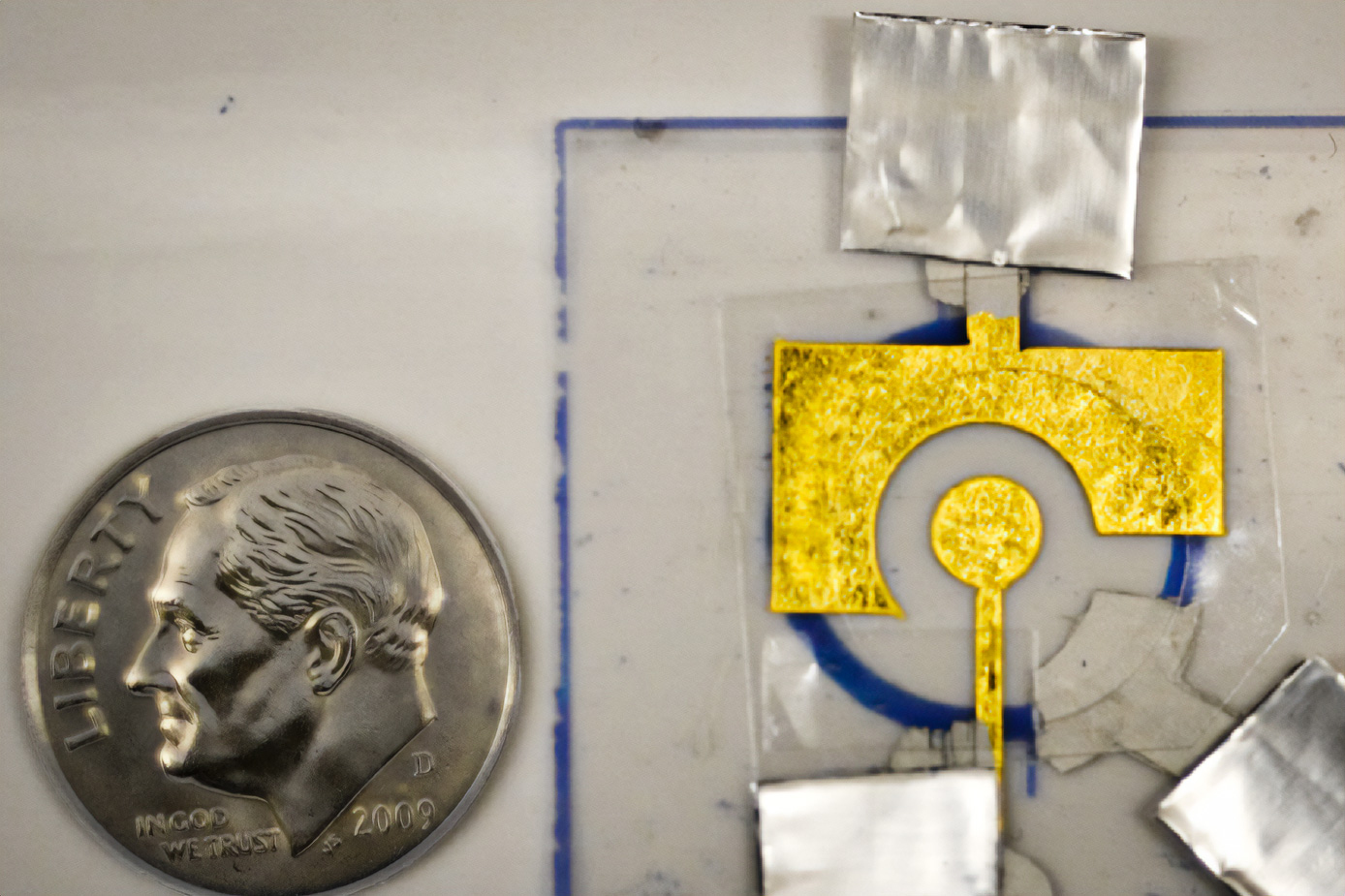
MIT engineers develop electrochemical sensors for cheap, disposable diagnosticsvon 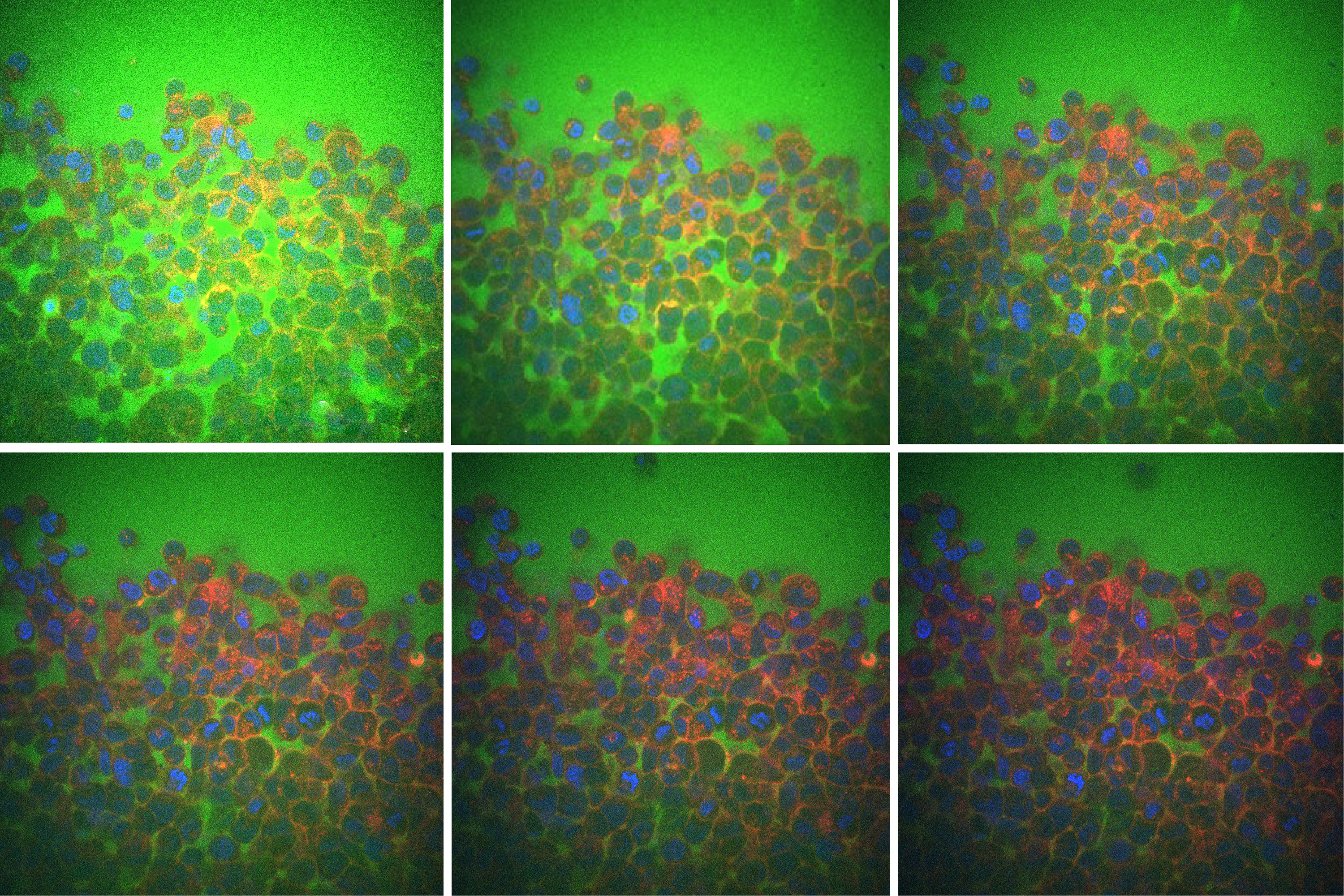
MIT engineers uncover a surprising reason why tissues are flexible or rigidvon Jennifer Chu | MIT News am 20. Juni 2025 um 9:00
Watery fluid between cells plays a major role, offering new insights into how organs and tissues adapt to aging, diabetes, cancer, and more.